First-day nerves
Land and drive — without the deep end.
Pick a small automatic and a city like Agadir or Rabat for day one. Calm grid, easy parking, low pressure.

Most travel forums make driving in Morocco sound like a sport. It isn't. The roads are good, the police are professional, and the country sees enough international visitors that nobody panics when a hesitant rental pulls into a roundabout. The real question isn't whether it's safe — it's whether you're prepared for the rhythm. This guide is the calm version of that answer, written by people who drive these roads every day.
Quick answer
Yes — driving in Morocco is safe for any licensed visitor who treats it the way they would driving in southern Europe. Modern motorways are calm and well-signed. Cities are energetic but not chaotic. Police checkpoints are routine, not threatening. The two things that catch tourists out are mountain passes after dark and rural roads at sunset — both easily avoided with a little planning.
Three road types, three different experiences.
Autoroutes — the toll motorways that connect the major cities — are the easiest road network in North Africa. The A1 from Casablanca to Tangier, the A7 from Casablanca to Marrakech and Agadir, the A2 east toward Fes and Oujda. Two lanes each direction, smooth tarmac, light truck traffic outside rush hour, clear bilingual signs in Arabic and French. Tolls are reasonable and accept both cards and cash. If your trip is two cities and a motorway between them, this is a calm drive — closer to driving in Spain than to anything you've read on a forum.
RN routes — single-carriageway national roads — are where Morocco shows its character. Slower, more interesting, occasionally a donkey cart. You overtake when it's safe and patient when it isn't. These roads connect smaller towns and most of the scenic drives. Not difficult — just unhurried.
Regional and mountain roads — the ones that lead into the Atlas, the Rif, the Anti-Atlas — ask for more attention. Narrower, with switchbacks, sometimes loose gravel on the edge, sometimes a slow bus or a cement truck taking the line you wanted. Drive these in daylight, take your time, and they're some of the best driving roads in the country.
The pattern: the further you get from the motorway, the more you slow down and the more you enjoy it.
"The difficulty isn't the road. It's the rhythm. Once you accept that and drive at a calm, defensive pace, the whole thing eases."
Almost every traveler we hand a car to mentions the same four things on return. None of them are dangerous if you know they're coming.
Two forces will check you. The Police handle urban areas — traffic stops in Casablanca, Marrakech, the bigger cities. The Gendarmerie Royale handle motorways, RN routes, and rural areas. Both are professional and used to international visitors.
Most checkpoints are routine. They wave most cars through. If you're stopped, what happens is simple:
Two things to know. First, bribes are not part of this. Tourists sometimes worry. Don't offer money — just be polite and patient. Modern Moroccan traffic enforcement is professional and tipping is a category error. Second, fines for genuine violations are real. Speed cameras are common, especially on the approach to villages on RN routes where the limit drops from 100 to 60. If you get a fixed-camera ticket, it's processed through us — we'll let you know.
Speed limits worth memorizing: 120 km/h on autoroutes, 100 km/h on national roads, 60 km/h in built-up areas, sometimes 40 km/h in school zones and medina approaches. Watch the signs entering villages — that's where the camera will be.
120 km/h
Motorway speed limit
60 km/h
In-town speed limit
0.5 g/L
Blood alcohol limit
24/7
Local team support
The big cities each have their own character. None of them is undriveable. Some are easier than others.
Casablanca. The biggest city, the busiest traffic, the most assertive drivers. Rush hour from 7:30 to 9:30 a.m. and 5 to 8 p.m. is dense. The road network is good — a corniche, wide boulevards, a ring road. Drive defensively, leave room, accept that you'll be honked at by taxis if you hesitate at a light. Outside rush hour it's calm.
Marrakech. The medina is a pedestrian zone — don't try to drive in. The new town (Gueliz, Hivernage) is easy and modern. Roundabouts are everywhere; the rule is simple: traffic already in the roundabout has priority. Park outside the medina at one of the paid lots near Bab Doukkala or Place Jemaa el-Fna.
Fes. Same logic — don't drive into the medina. There's a ring road around the old town and several large paid parking areas at the entrances. Fes outside the medina drives like a smaller version of Marrakech.
Rabat. The capital is the calmest of the major cities. Wide avenues, organized traffic, plenty of parking. If you're nervous about driving in Morocco, Rabat is a good first day.
Tangier. Hilly, with one-way streets in the older zones and serious port traffic during ferry days. Otherwise easier than its reputation. The corniche drive along the Strait of Gibraltar is one of the better short urban drives in the country.
Agadir. Modern grid, generous boulevards, easy parking. The simplest city in Morocco to drive in. If you're handling a left-hand-drive car for the first time after a long flight, Agadir is forgiving.
One operational note for any city: gardiens — parking attendants in yellow vests — work most paid parking zones and many free streets. They wave you into a spot, you tip 5 to 10 dirhams when you leave. They watch your car. It's a small system that works.
The car you pick changes how driving in Morocco feels. We can give you a quick lens.
If your trip is mostly one city plus a hotel and an airport — pick a small automatic. The Dacia Logan Automatic from 30€ a day. Easy to park, easy to fuel, no clutch in city stop-and-go.
If your trip touches the Atlas Mountains, Ouarzazate, the Sahara, or Chefchaouen and the Rif — pick an SUV. The Dacia Duster Automatic at 50€ or the Volkswagen T-Roc at 70€. Higher seating reads the road better, the suspension handles broken tarmac on regional routes, and you have luggage room for week-long trips.
If you're moving long distances on motorway and want quiet comfort — a Mercedes-Benz C220d Automatic at 220€. Diesel range, soundproofed cabin, real comfort on a four-hour Casablanca-to-Marrakech run.
About manual versus automatic: most of our fleet is automatic. If you've never driven manual, don't learn in Morocco. Pick automatic, it's the same price or close, and you'll spend the trip looking at the country instead of the gearbox.
For a deeper price breakdown across categories, our complete pricing and pickup guide walks through what each tier includes.
First-day nerves
Pick a small automatic and a city like Agadir or Rabat for day one. Calm grid, easy parking, low pressure.
Mountain trip
An automatic SUV, daylight only, full tank. The road is paved and well-built — but slow, with switchbacks. Plan for half a day, not three hours.
Long highway runs
Motorway most of the way. A diesel sedan or SUV is the comfortable pick. Three hours each way at the limit, with one good rest stop.
Three scenarios. The honest version of what to do.
Fender-bender, no injuries. Pull over to a safe spot. Take photos of both cars and the position. Get the other driver's constat amiable (a one-page accident form — most drivers carry one) or just exchange license, ID, and insurance details. Call us right away. We deal with the rest. If the other party is uncooperative or the damage is significant, call the gendarmerie or police on the spot.
Breakdown. Pull off the road, hazard lights on, warning triangle out (it's in the boot). Call us. We send help. If you're on a motorway, stand behind the safety barrier — not next to the car. Don't try to fix anything yourself.
Lost or wrong turn. If you've missed an exit on the motorway, take the next one and turn around — never reverse on a highway. In a city, pull into a side street and check the map calmly. Google Maps and Waze both work well in Morocco; Waze handles city traffic slightly better.
Across all three: the worst case is calling us late. We'd rather hear from you in the first ten minutes than after you've spent an hour trying to handle it alone. The phone is on, the WhatsApp is on, and the local team knows the roads.
Most of the worry tourists arrive with comes from forum posts written by people who tried it ten years ago, in a different car, with different roads. Morocco has invested heavily in its road network. Motorways are recent. Speed cameras are dense. Police behavior is professional. Cars are newer.
The two genuine cautions left are unchanged from any country: don't drive tired, don't drive the mountains at night. Past those, this is a calm, scenic, and increasingly easy place to drive. Most travelers who hesitate end up renting and tell us afterwards that they wish they'd done it sooner.
If you're still on the fence, the break-even guide for whether a rental is worth it covers when to rent and when to take a transfer instead.
Five recommendations
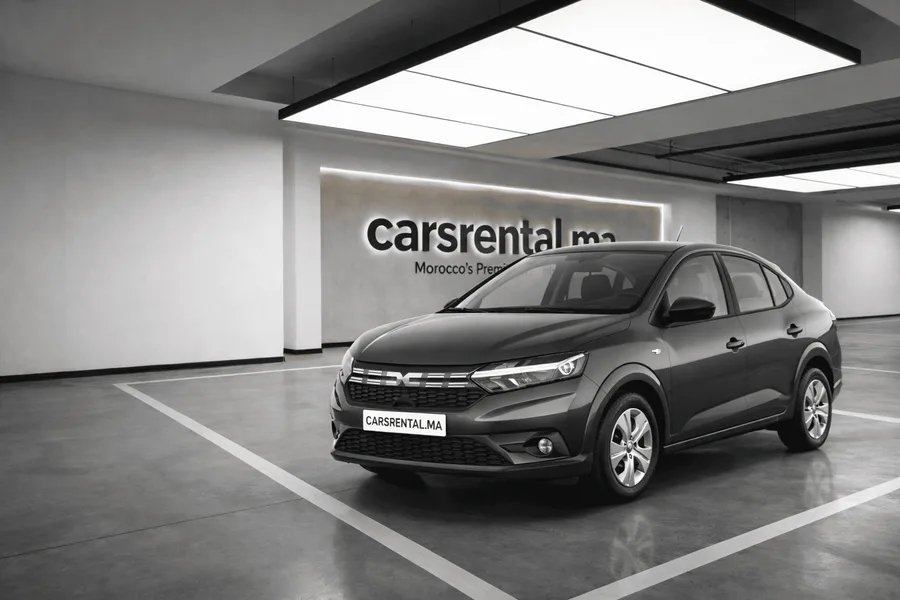
Sedan · Cities + airports
5 seats · Automatic · Petrol
From 30€ / day
View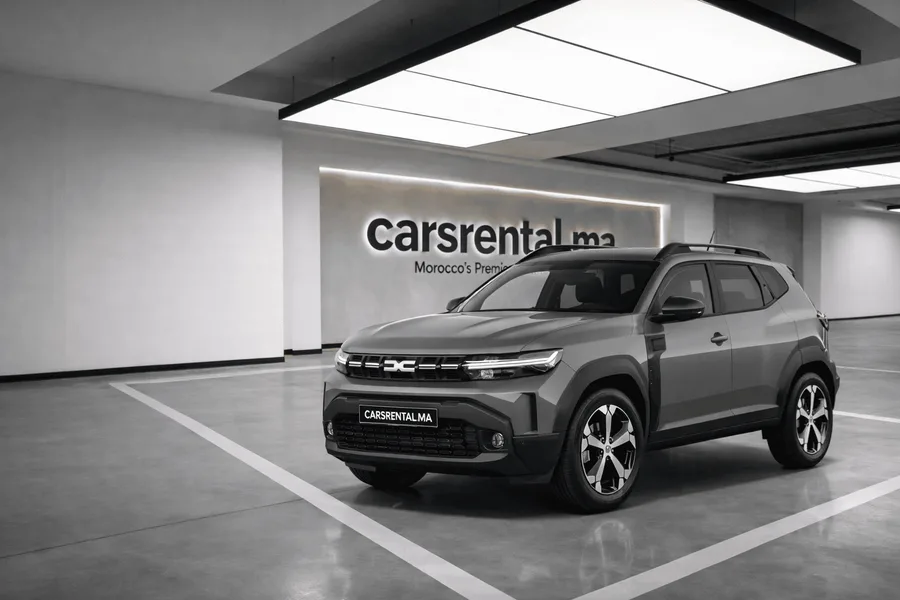
SUV · Mountains + scenic
5 seats · Automatic · Diesel
From 50€ / day
View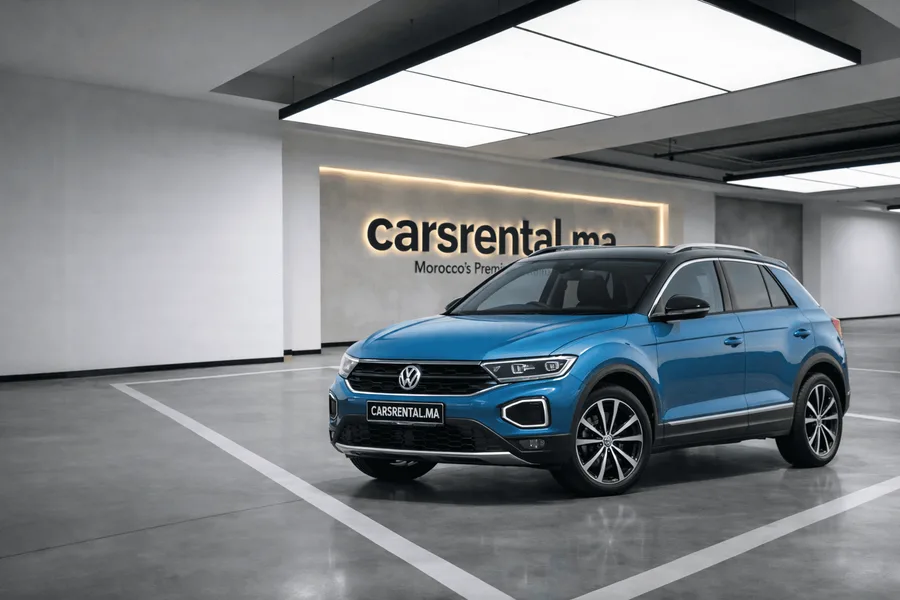
Crossover · Mixed routes
5 seats · Automatic · Petrol
From 70€ / day
View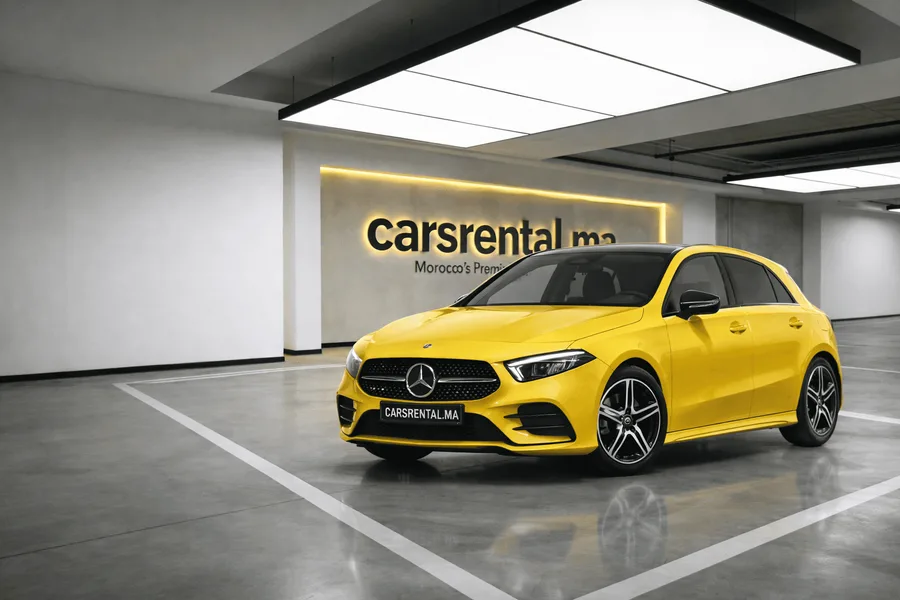
Compact premium · Smooth city
5 seats · Automatic · Diesel
From 100€ / day
View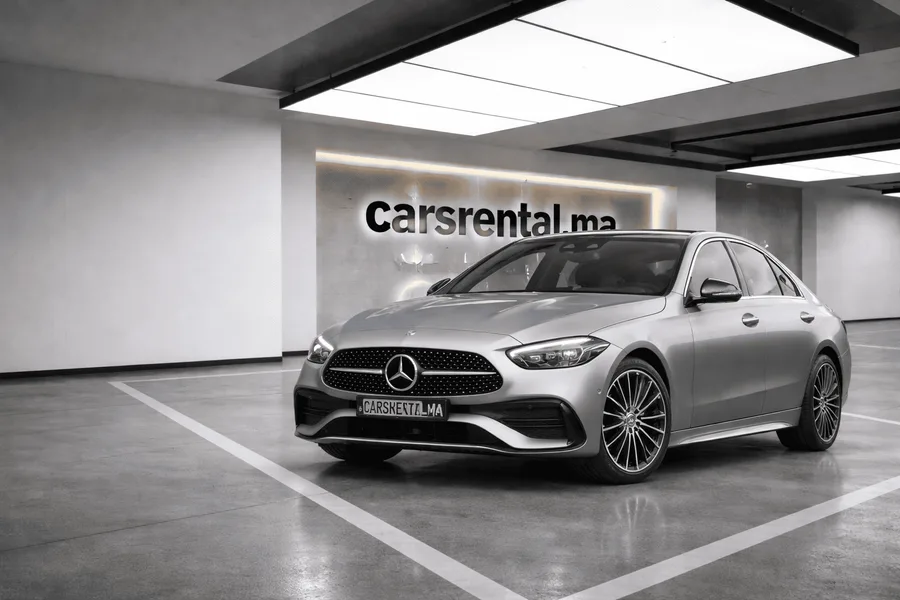
Premium · Long highway runs
5 seats · Automatic · Diesel
From 220€ / day
ViewFree Marrakech delivery (incl. Menara airport) · Cancel free up to 48h before pickup
Frequently asked
Verified Google reviews
★★★★★
Very good experience, clean and new car, rates are competitive and staff are always available. Communication was smooth and positive.
★★★★★
Great service, fast and reactive. The cars are clean and new. Thank you for the customer service.
Ready when you are
Door-to-door delivery — free in Marrakech (incl. Menara airport), quoted upfront for Casablanca, Agadir, Rabat. Cars from 30€ a day. Free cancellation up to 48 hours before pickup.