Things To Do In Marrakech — A 2026 Driver's Guide


Marrakech is the city most people see first in Morocco — and the one most people get wrong. Not because it's hard to enjoy. Because what you do here depends entirely on who you're traveling with. A couple, a family with kids, a group of friends, and a solo traveler will have four completely different trips.
This guide covers the essentials everyone should see, then breaks down recommendations by who you're traveling with — eight different kinds of trip, each with the spots I'd actually send a friend to, the car class I'd put them in, and the local rules nobody else tells you. I run a rental fleet here. I drive these streets every day. What follows is what I'd tell a friend who landed last night.
The 5 things everyone should do in Marrakech
Whoever you're traveling with, work these into the plan. They're the unmissables.
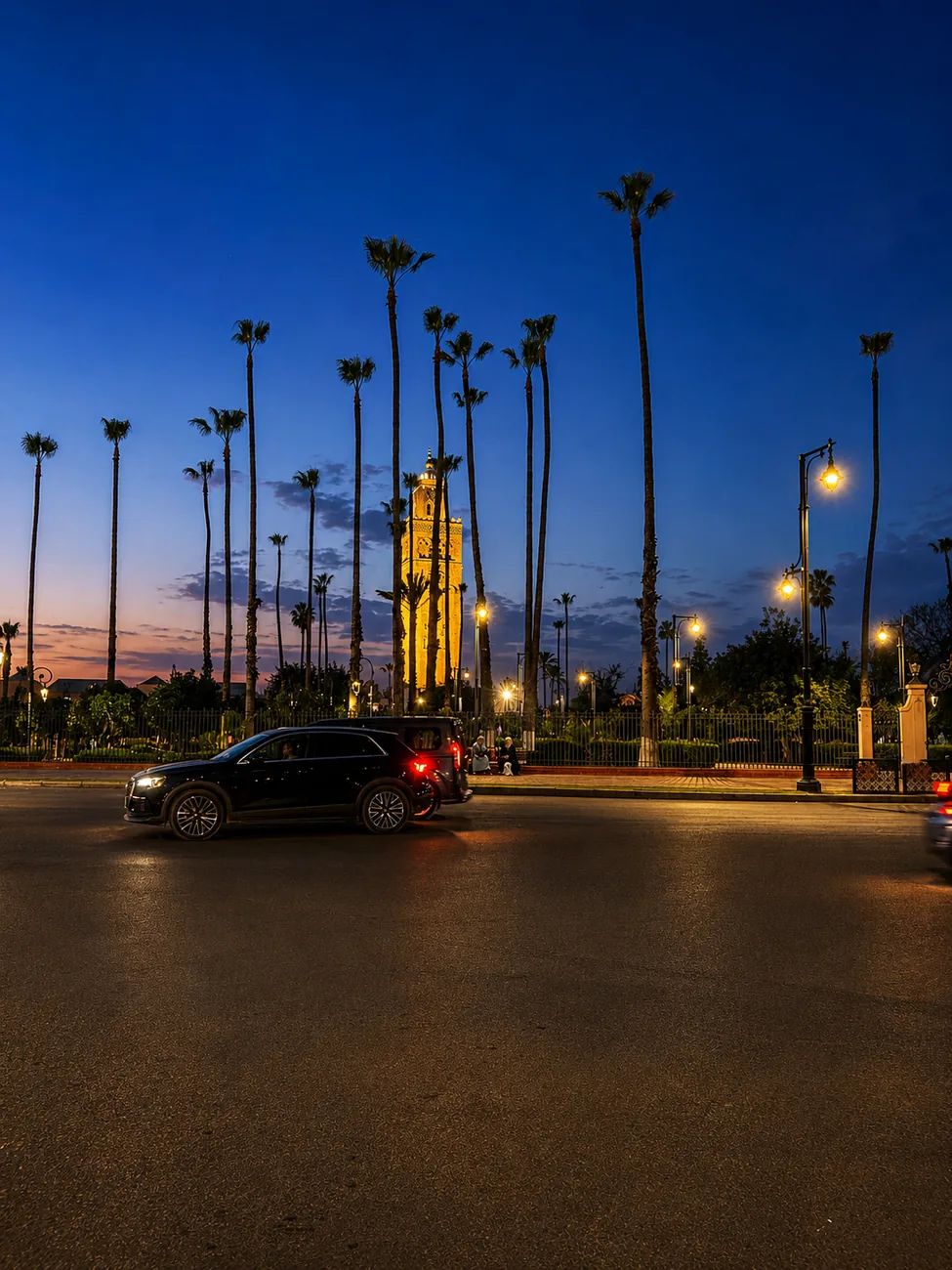
1. Jemaa el-Fnaa, at dusk
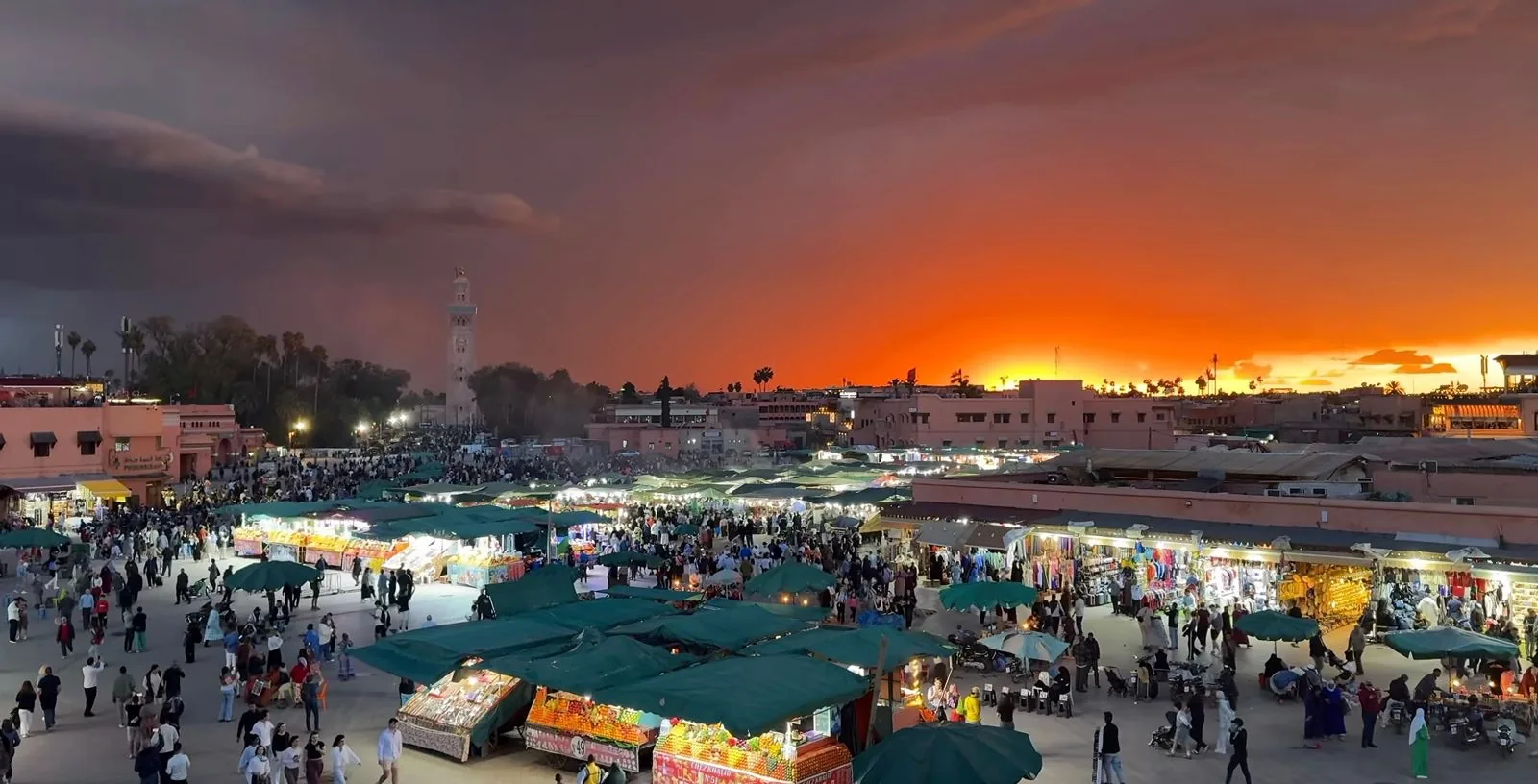
The square is alive between 7pm and 10pm — that's when the halqa (street performers and storytellers) come out, the food stands fire up, and the whole place becomes the social heart of the city. Any day of the week works unless it's a national holiday, when crowds get heavier than usual.
Plenty of paid parking lots ring the square, charging €1–2 for two hours. You leave your keys with the attendant — that's normal here, they need to shuffle cars in tight lots. Don't leave electronics or anything visible in the car.
There's a dedicated unit called the Tourism Police that patrols anywhere with heavy tourist activity, including plenty of undercover officers in the crowd. They're there specifically to spot problems before they escalate. Stay aware like you would in any busy city, but don't let fear dilute the experience. Get in the middle of it.
What's new in 2026: the square went through a renovation phase across 2025–2026. Most of it's now done — shops are open daily, the street food stands run normal hours.
2. Bahia Palace and Badii Palace
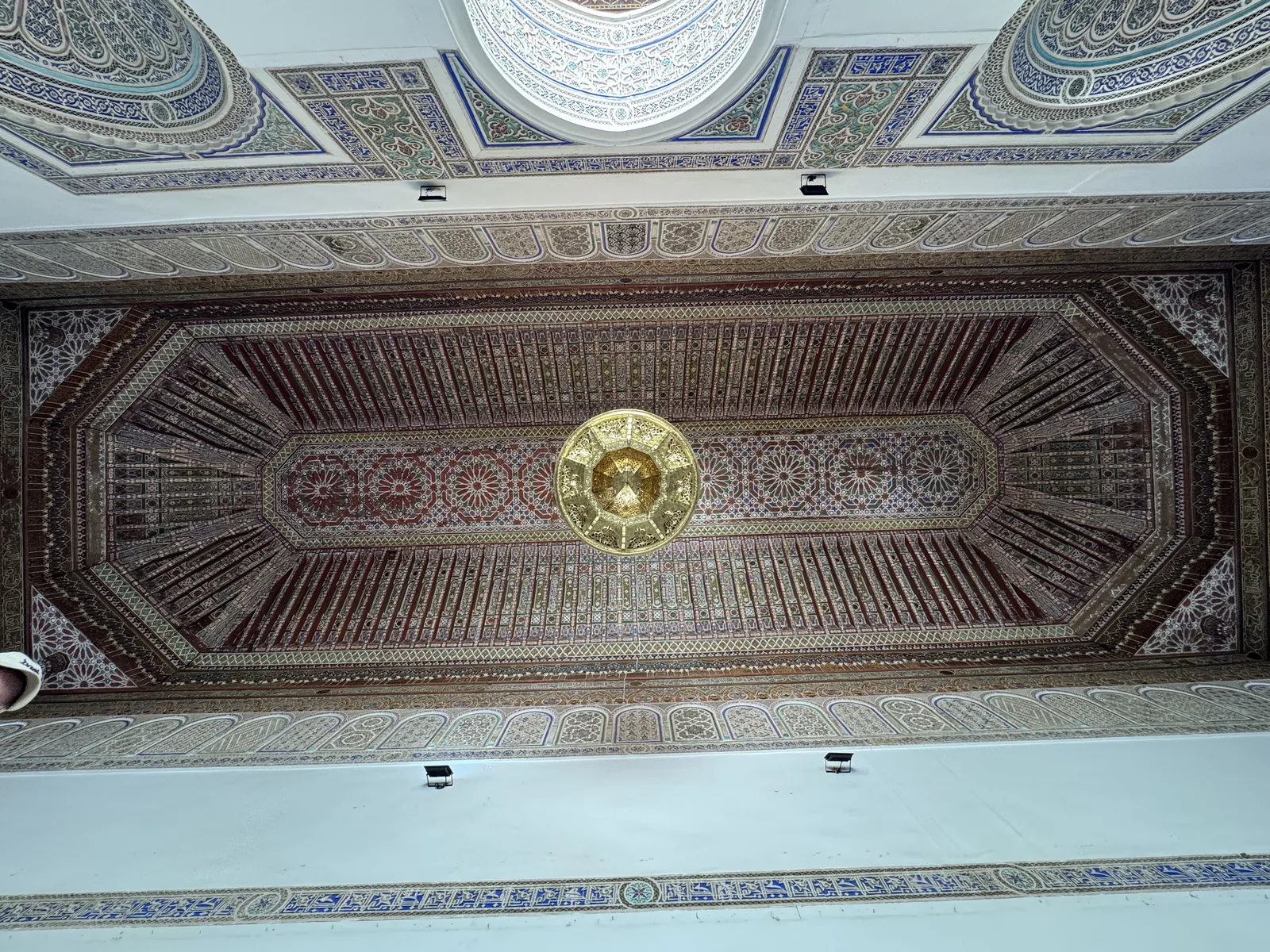
These two palaces are a 10-minute walk apart in the same neighborhood. Do them together in one morning. Both are loaded with history from different periods of Moroccan rule — Bahia is the more visually impressive, Badii the older and more ruined. Going early means fewer people in your photos and cooler temperatures.
Some parts of Badii are still closed from the 2023 earthquake damage — including the rooftop terrace people used to climb up to. From up there you could see the whole palace and the rooftops of the Medina; for now, that view is on hold.
3. Saadian Tombs (and a full Old Marrakech day)
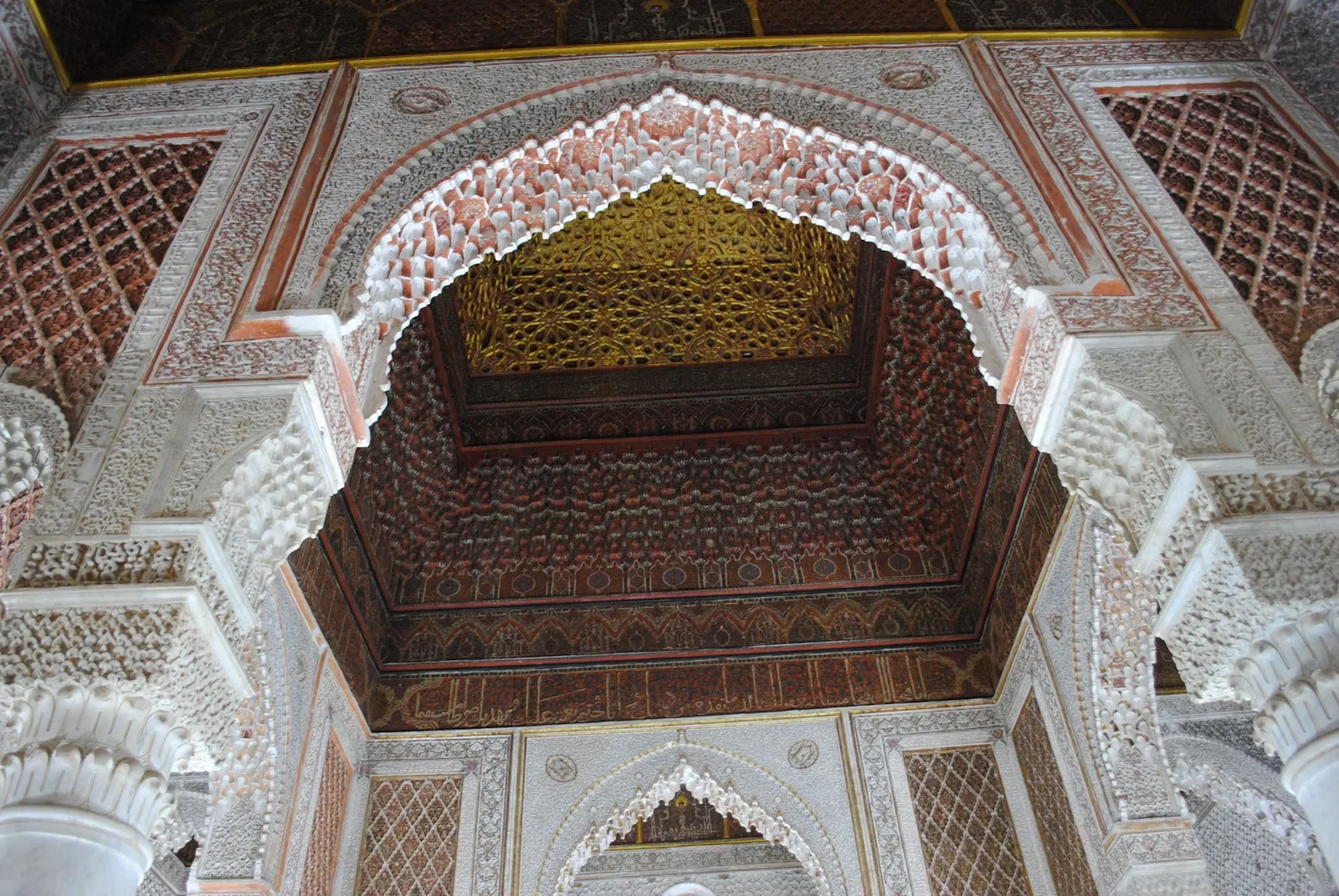
Easy to combine with the two palaces above. The tombs themselves are 30 minutes max — don't over-plan around them. Visit in the morning, same parking strategy.
Morning: Bahia Palace → walk to Badii Palace → walk to Saadian Tombs → walk to Medersa Ben Youssef. Lunch: a sky restaurant in the Medina overlooking the Koutoubia. Afternoon: wander the souks (next section). Evening: street food in Jemaa el-Fnaa from an authorized stand. Night: a horse-drawn carriage ride through the old town. That's old Marrakech in one full day, suitable for anyone with average walking fitness.
4. The Medina and souks
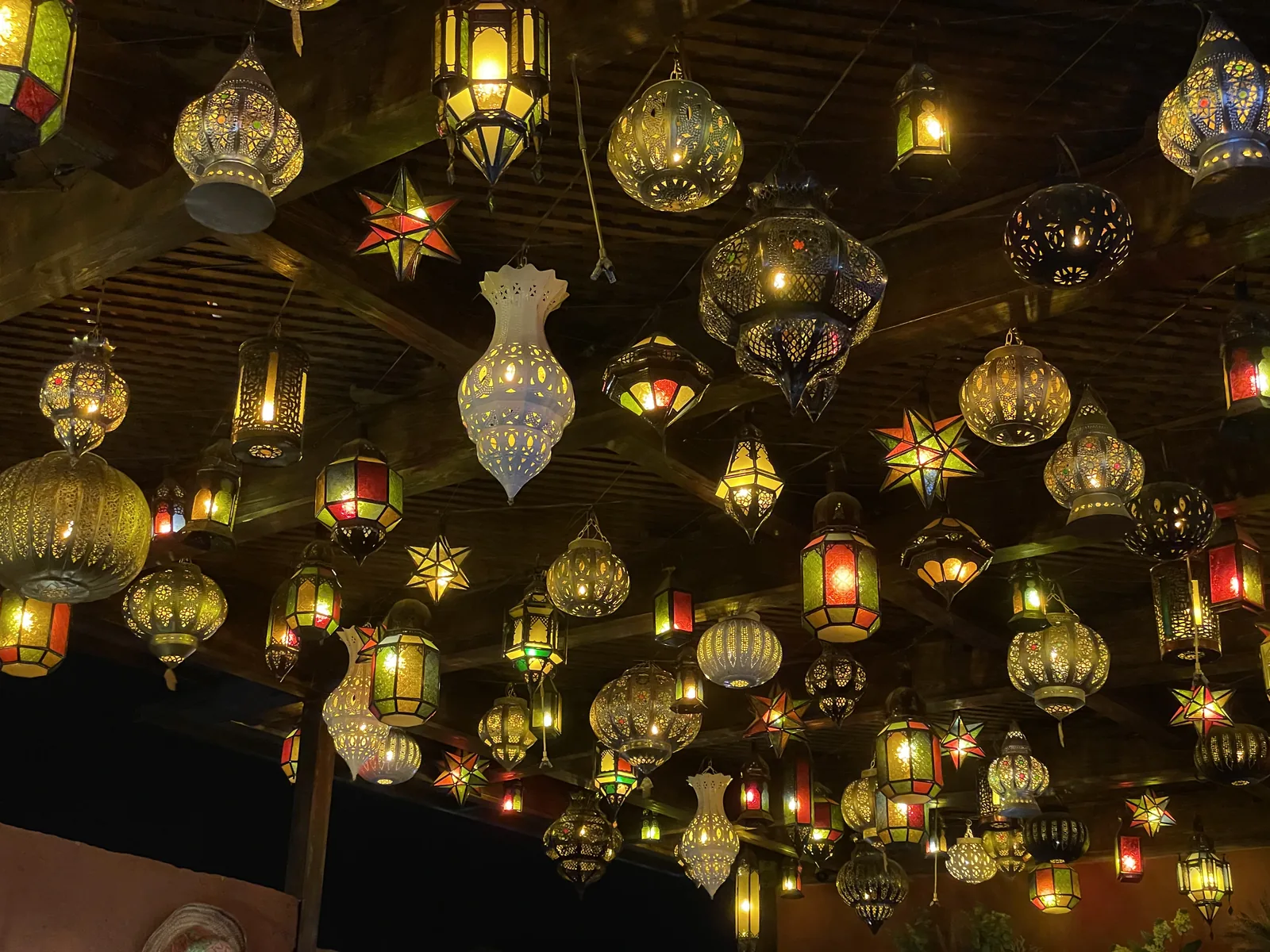
Start from Jemaa el-Fnaa and walk into Souk Semarin. From there you branch out into the rest of the souks system. Any time of day works — you're indoors most of the way and the alleys stay shaded.
Haggling is part of the culture, not optional. My biggest rule: ask 2–3 shops the same question before buying anything. Prices for the same item vary wildly, and the first quote is almost never the real price. Roughly where to look for what:
- Souk Semarin — clothes, scarves, general goods
- Souk Cherratine — leather (bags, jackets, poufs), household items
- Souk El Attarine — Moroccan lamps, lanterns, brass
- Derb Dabachi — more food-focused part of the old town
Skip: if you've already eaten street food in Jemaa el-Fnaa, you can skip Derb Dabachi — not enough delta to justify another walk.
5. Sunset at Al Maaden Golf
Most travel guides will send you to Café des Épices or Sky Bar Les Jardins de la Koutoubia. Those are fine. But my personal pick is Al Maaden Golf — a golf course with a bar that overlooks an open natural view. When the sun hits the right angle, the whole landscape goes orange-pink and it's a different league from a rooftop in the city center.
Go around 4pm, have a few drinks or a late lunch. They close at 7pm. If you're lucky enough to be there during a tournament, you can watch it from the terrace. No reservation needed. Free parking at the entrance.
Marrakech by who you're traveling with
The essentials above are universal. What you do beyond them depends entirely on who you're with and what you want from the trip. Pick your section below — or read all eight, since you'll probably blend a few.
Couples — unforgettable views
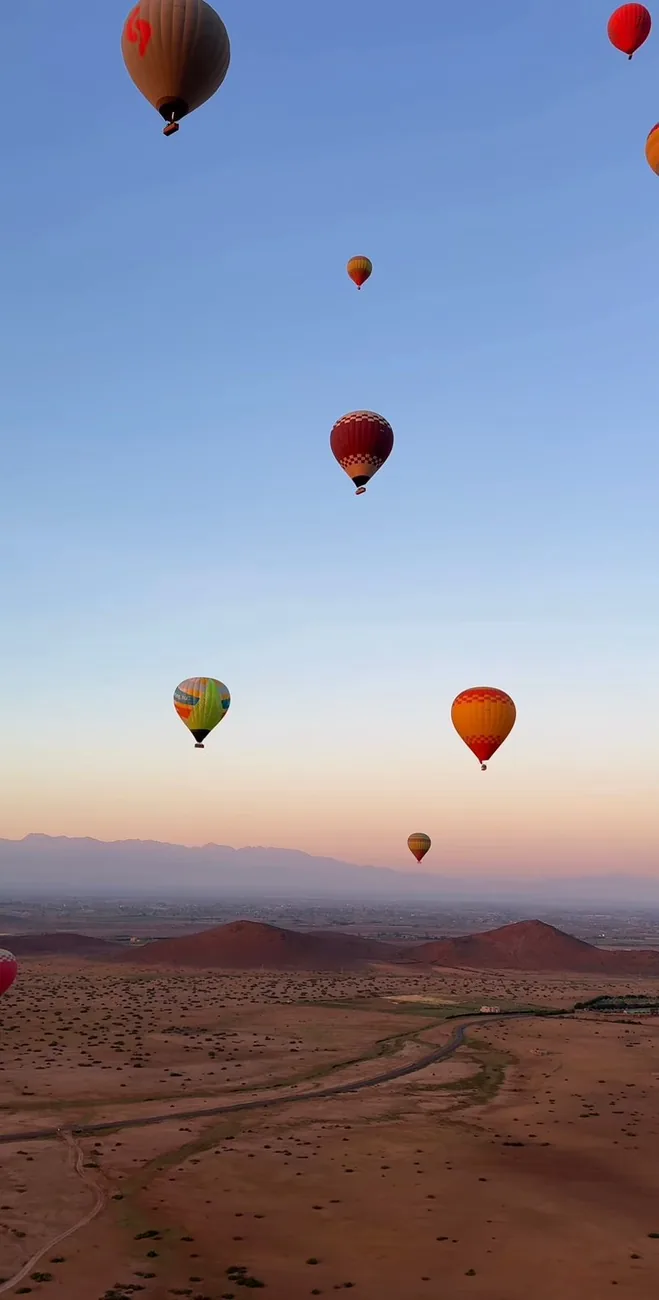
Marrakech rewards couples with views and moments that don't exist anywhere else. Sunrise over palm groves, dinners under stars in the desert, mountain silences at 2,500 meters.
What to do:
- Hot-air balloon over La Palmeraie at sunrise. Perfect for proposing, freshly engaged couples, or anyone who wants a memory they'll dine out on for years.
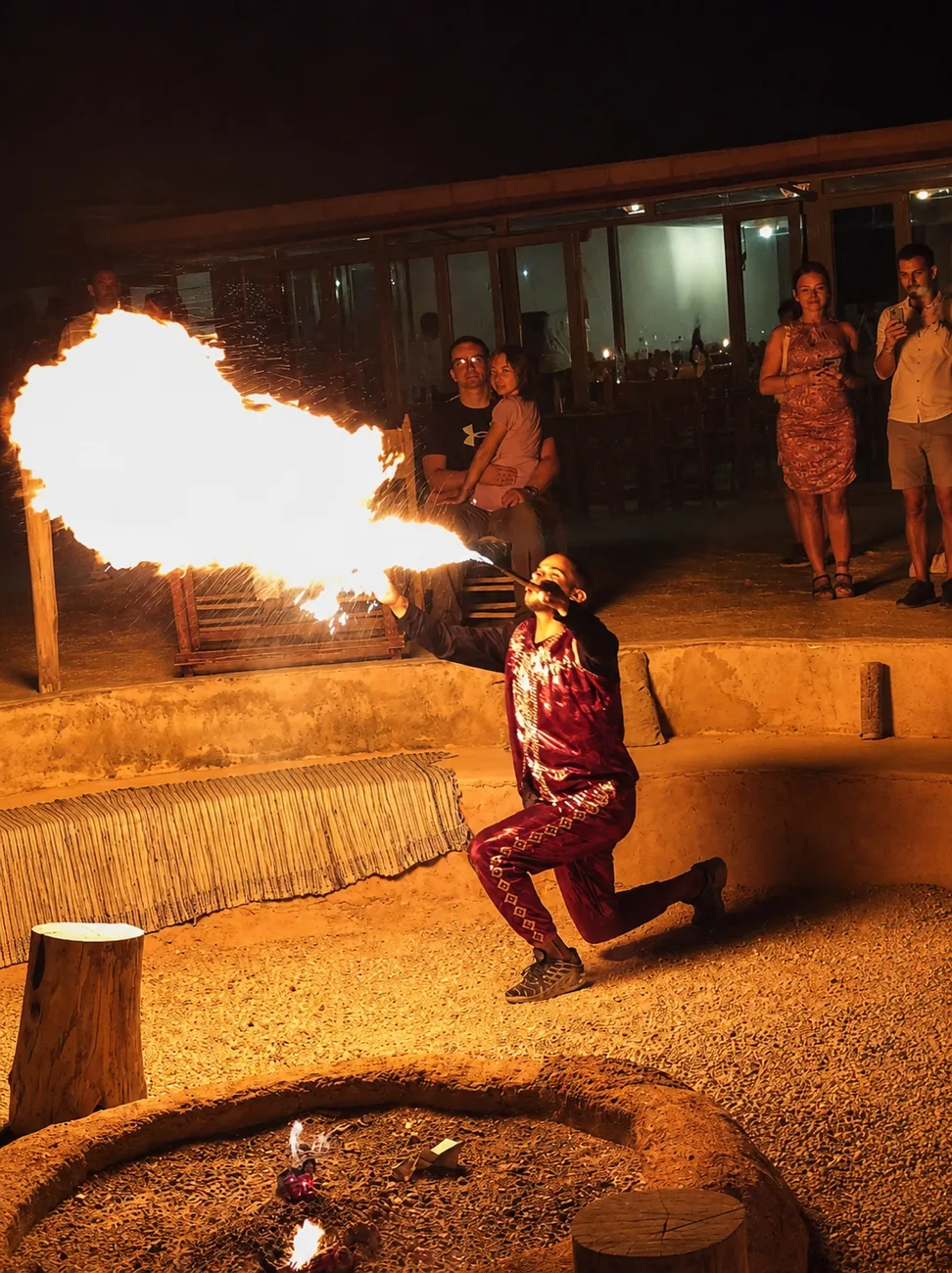
- Overnight in an Agafay desert camp. A night around the campfire with traditional food, music, and dance — easy core-memory material.
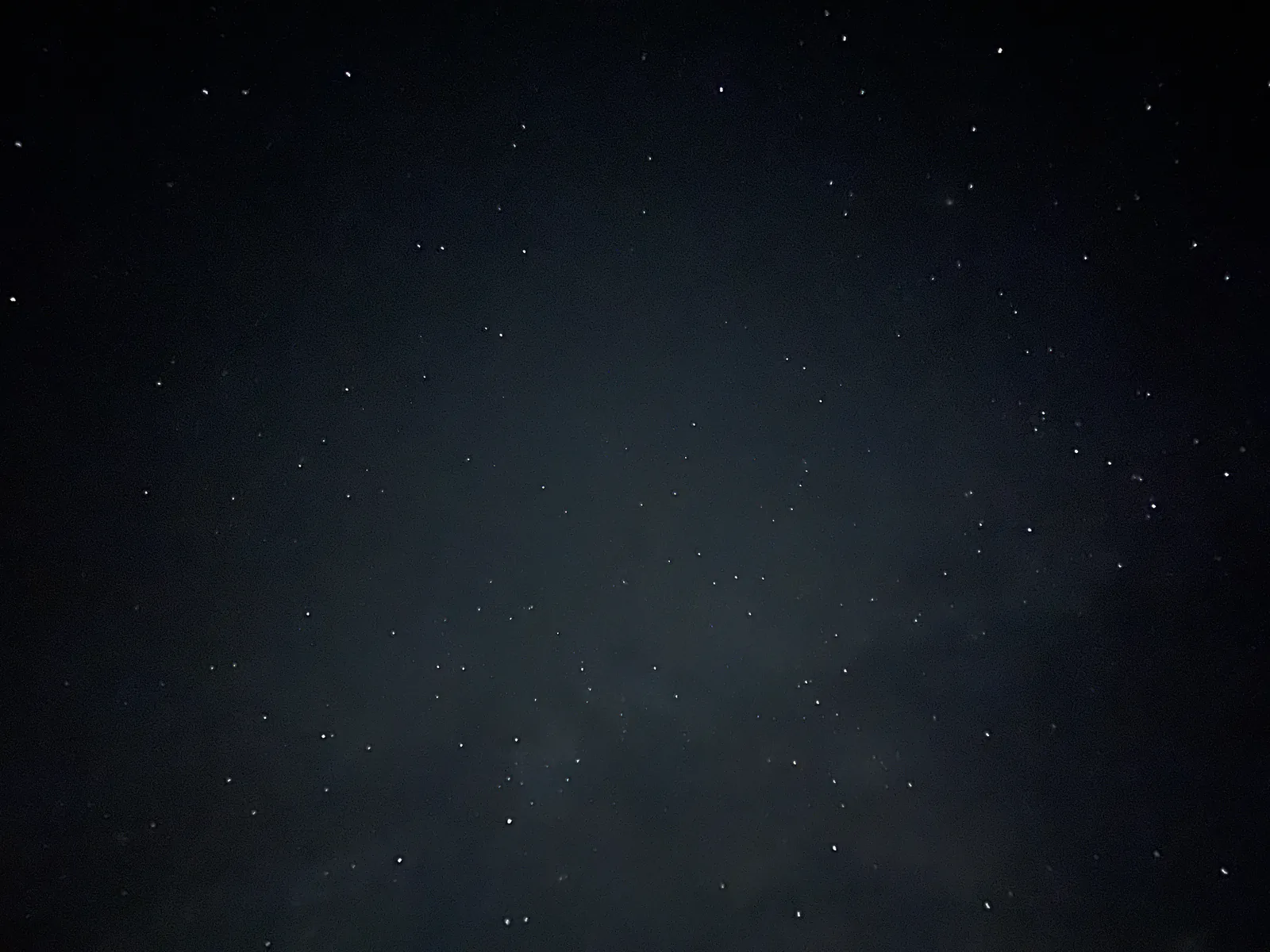
- Imlil overnight in the Atlas. Clear sky, millions of stars, shooting stars are common, and the High Atlas silence is something every couple should experience at least once.
- Anima Garden by André Heller. A near-private experience with a rooftop café — pair it with a Moroccan tea pot and a sunset and you have an afternoon that costs almost nothing.
Skip: cheap bars in random neighborhoods. The vibe collapses fast. Excessively short shorts or revealing clothing in the Medina — shorts and dresses are mainly fine, but if it's over the top you'll get more eyes than you want.
Where to stay: Riad Kheirredine (from €220/night). Riad Yasmine (from €200/night).
A drink with a view: Kabana or Sky Bar Les Jardins de la Koutoubia.
Kissing in public isn't part of Moroccan culture, but a quick kiss is fine. Avoid extended grabbing, dancing intimately on the street, or anything that draws eyes. Inside bars and clubs, you can be more relaxed — kissing on the dance floor or dancing closely is generally fine. Just read the room.
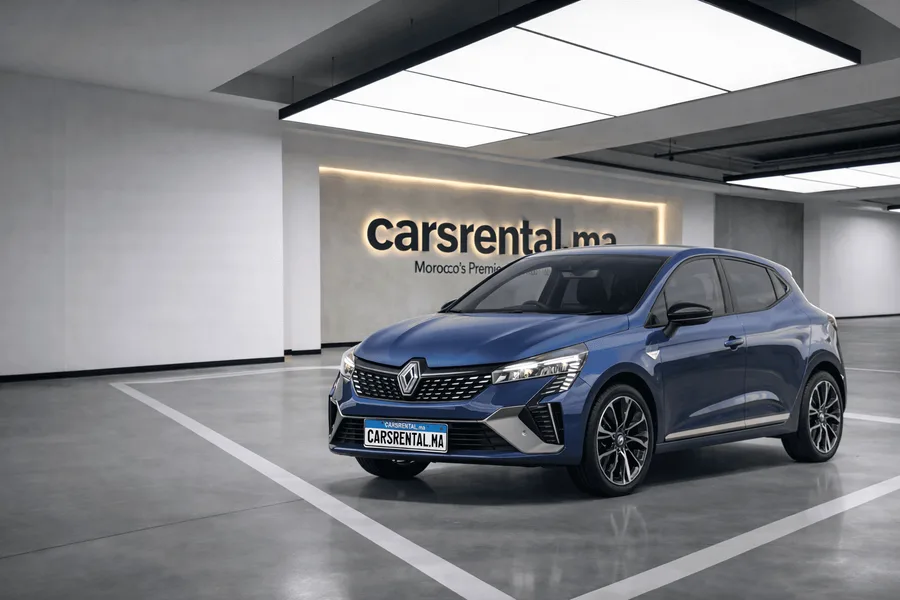
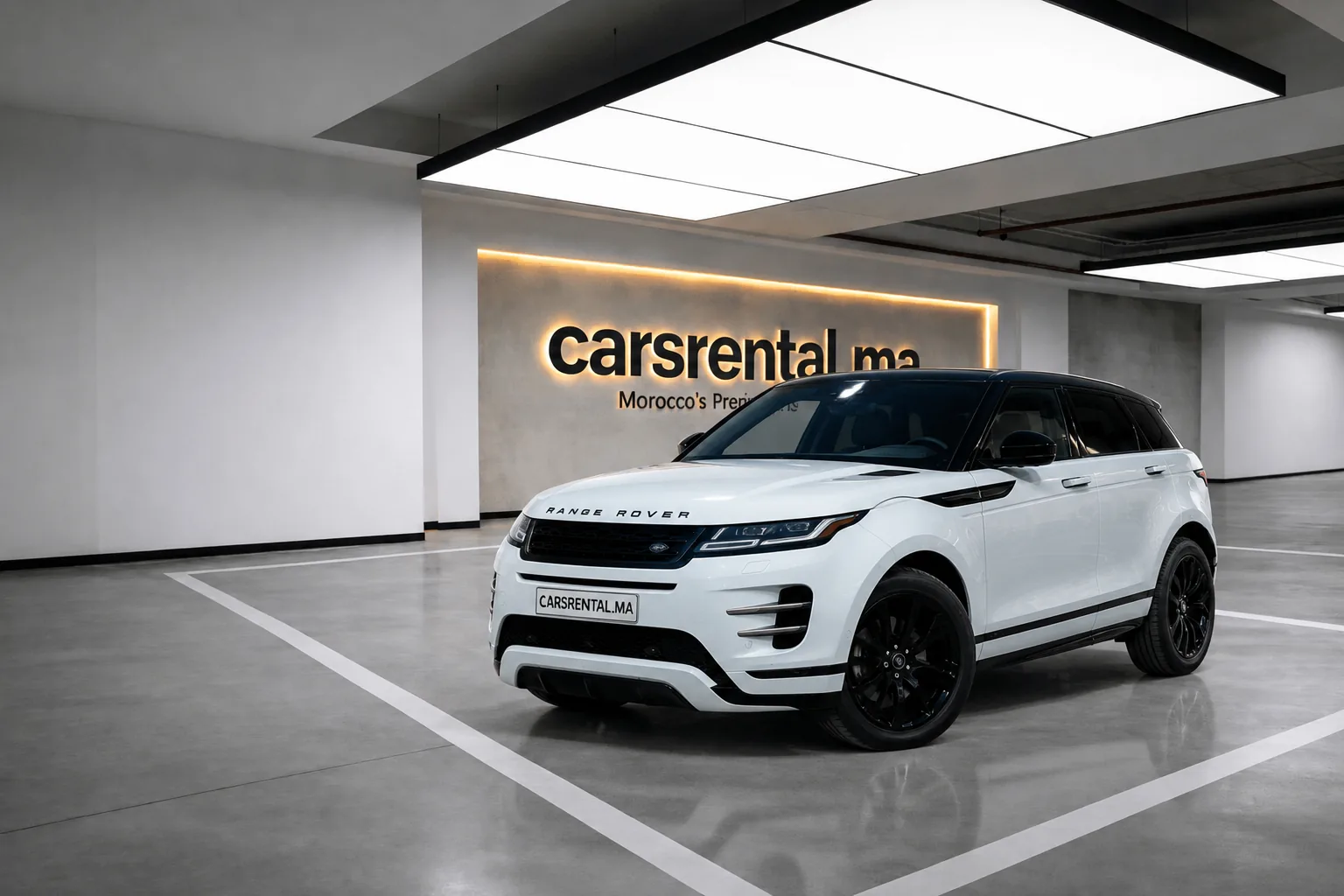
Cars I'd suggest for this trip

With kids — plan around energy
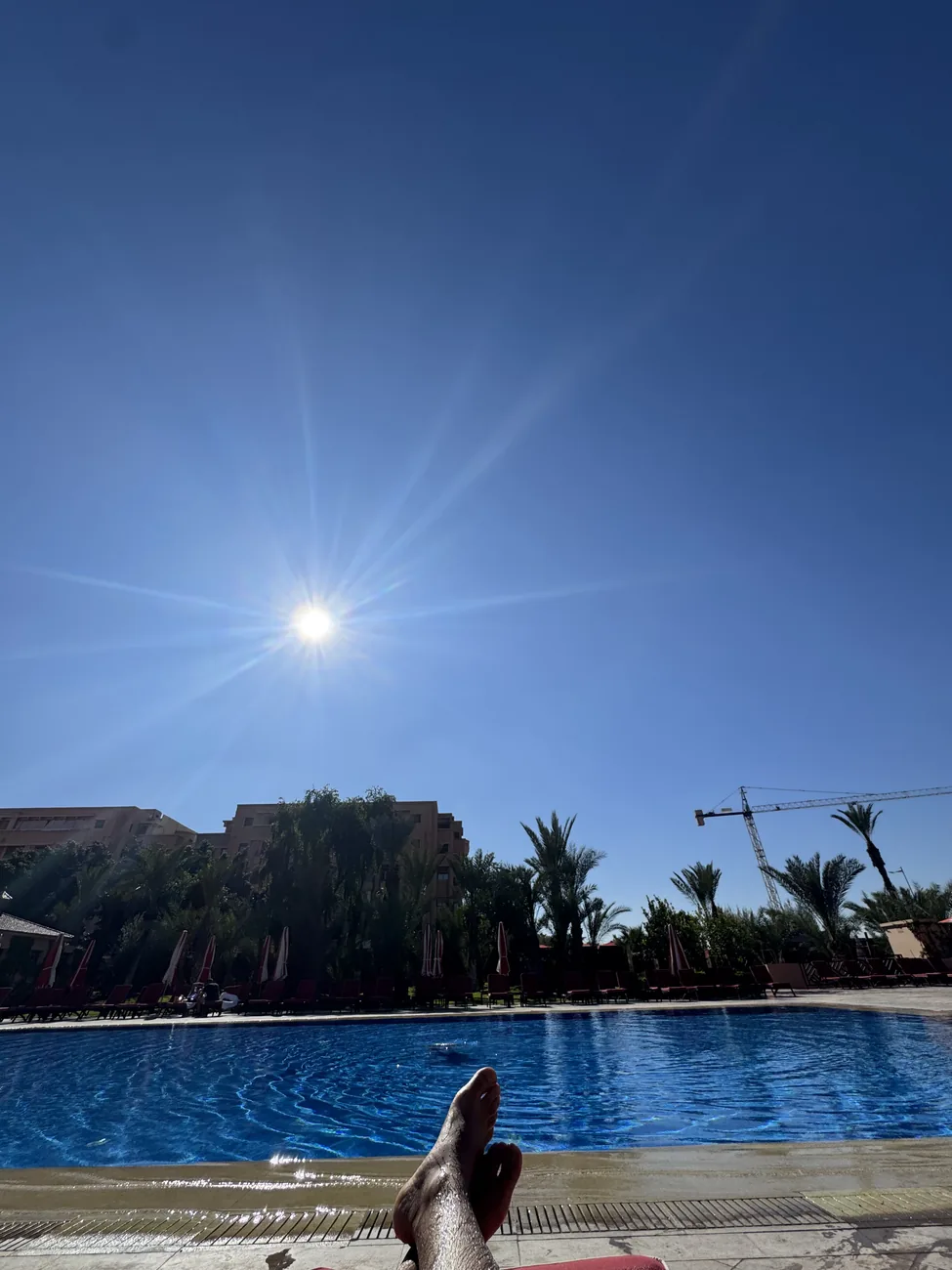
Marrakech with kids works when you plan around their energy budget. Less souk-overwhelm, more open space, swimming, animals, amusement parks.
What to do:
- Aqua Park (day pass). Water slides, themed pools, kids burn energy for hours.
- Almazar Shopping Mall. Two dedicated kid zones with laser tag, bowling, and karaoke. Useful as a hot-afternoon escape.
- Palooza Land. Prehistoric and dinosaur-themed amusement park with bridges, ropes, and physical activity stations. Best for 5–12 year olds.
- Quad and camel rides. Quads work for kids old enough to ride with a parent. Camels are friendly, short rides, even small kids enjoy them.
Skip: long walking days through the Medina. Some attractions look close on a map but the actual walk is longer than it looks. Kids get tired before the visit even starts.
Where to stay: a nice Airbnb in a residence with a shared pool beats most hotels for families. Kids stay busy on lazy days, and you have a kitchen for snacks. Avoid Medina riads if your kids are under 6 — narrow alleys and stairs aren't friendly with strollers.
Toilets: available in any café or restaurant — just buy a coffee. Aim for the more modern places for cleaner facilities.
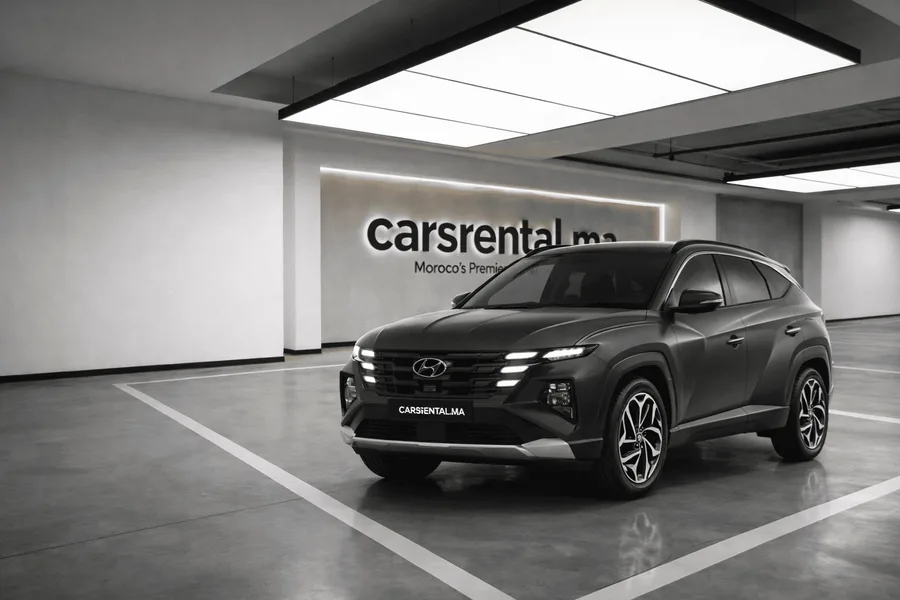
Cars I'd suggest for this trip
Girls trip — spa, souks, sunsets
Marrakech is built for a girls trip — spa days, souk shopping with strategy, photo spots that don't exist anywhere else, and a nightlife that takes care of you with lady's nights.
What to do:
- Turkish hammam and spa day. Marrakech has dozens of spas offering scrubs, massages, breathing sessions, and yoga.
- Make your own perfume. Sounds expensive — actually starts around €50. Two-hour workshop where you pick your own notes and walk out with a bottle.
- Club lady's night. Marrakech clubs run lady's nights with complimentary drinks, sometimes including small bottles of vodka.
- Agafay pool day pass. An infinity pool overlooking the desert. Hard to find a more photogenic setting anywhere.
Skip: official taxis and transfer apps at night — unpredictable. Festivals or raves in rural areas without confirmed transport — you can get stranded.
Where to stay: Gueliz Plaza (modern, central). L'Hivernage (closer to the luxury hotels, quieter).
A drink with a view: 555 Sky — well-known club with house music and a full bar.
Practical: you can find very good quality bags in the Medina — including branded ones — if you know how to bargain. Bring a small portable fan for long Medina walks.
Cars I'd suggest for this trip
Boys trip / bachelor weekend — fast, loud, late
Adrenaline, group dinners, late nights. Marrakech has the activities and the venues. You just need to know which ones don't waste your money — and a couple of things that will get you in real trouble if you don't know.
What to do:
- Paintball. A different kind of fun in this setting — the dust, the laughs, the slides. Easy half-day.
- Karting at the Marrakech racing track. When there's no Formula 1 event, the track is open for karting. Extremely fast and competitive.
- Theatro. One of the most famous clubs in Marrakech — they regularly bring international pop, hip-hop, and house artists.
- Sunrise paragliding. While the Marrakech sky is going through its morning colors. Pure adrenaline.
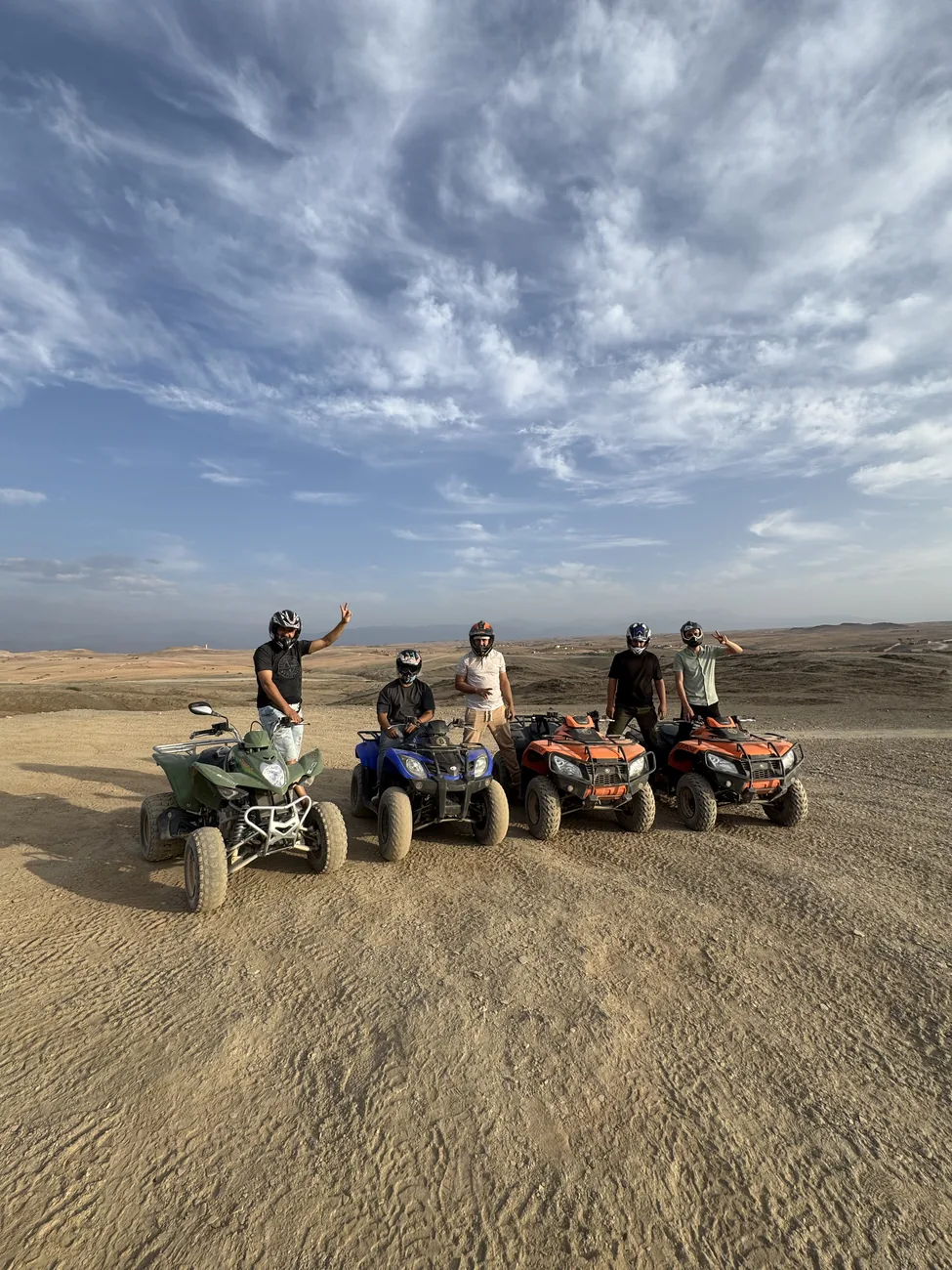
- Agafay buggy tours. Rent a buggy by the hour. Closest you'll get to Tokyo Drift in North Africa.
Article 490 of the Moroccan penal code criminalizes extramarital sex. Bringing guests from the opposite sex back to your rental — Airbnb included — exposes you to serious legal risk if a neighbor complains or the cops are called for any other reason. Sex workers carry the same legal issues plus health concerns. Don't take the chance.
Where to stay: Sofitel Marrakech (group-friendly, plenty of bar and pool action). Airbnb villa in Gueliz for groups of 6+.
A drink with a view: Eden Club — international acts, plenty of French artists in rotation.
Practical: avoid any activity that demands advance payment to a person rather than a business. Reputable operators have websites and card payment. If someone wants cash up front to "hold" something, walk away.
Cars I'd suggest for this trip

Adventurous — the High Atlas at your doorstep
Marrakech is the easiest base in Africa for serious outdoor adventure. The High Atlas, the Sahara, paragliding spots, and adventure parks are all within a few hours' drive.
What to do:
- Hike Mount Toubkal. The highest peak in Africa. Multi-day trek from Imlil with local guides. Tough but iconic.
- Hot-air balloon at dawn. Bucket-list level. Marrakech is one of the best places in the world to do it.
- Paragliding. Only skydiving beats it for adrenaline. Run-off-a-mountain or quick-descent options.
- Terres d'Amanar. Zip line, climbing, horse riding, and several other adventure activities in one place.
Skip: tour prices that look suspiciously low. Businesses exist to make money — significantly under-market pricing usually means corners are cut on safety equipment or insurance.
Where to stay: Imlil (base village for Toubkal trekking — stay here the night before any serious hike). Or the Medina if you want a mix of city + day-trip adventure.
Practical: for Terres d'Amanar, book directly via their official website — best price, easier to confirm the activity you want.
Cars I'd suggest for this trip
Luxury — Marrakech invented its modern aesthetic
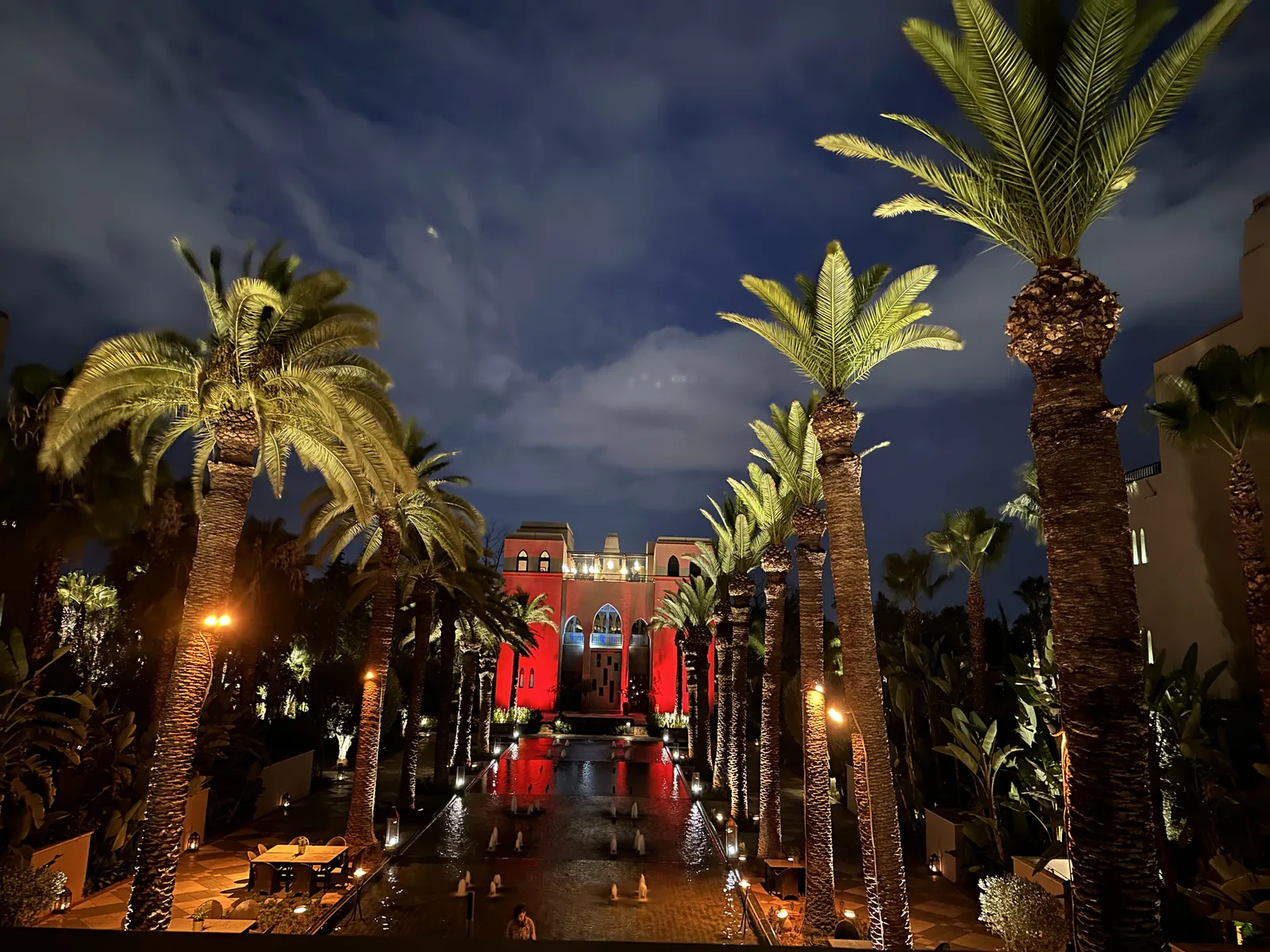
Marrakech doesn't just do luxury — it invented its modern aesthetic. La Mamounia, Royal Mansour, and the high-end riad scene are best-in-class on a global level.
What to do:
- Afternoon at La Mamounia. Even if you're not staying, you can book a meal, a spa treatment, or a drink at the iconic Churchill Bar. The gardens alone are worth the trip. Reservations strongly recommended.
- Royal Mansour for a private hammam. Considered by many to be the best hammam in the world. Each guest gets their own private riad. Around €300+ per treatment.
- Dinner at Le Tobsil or Dar Yacout. Two of the highest-rated traditional Moroccan dining experiences. Multi-course set menus in restored riad settings.
- Selman Marrakech for the Arabian horses. A boutique hotel famous for its on-site stables and equestrian shows. Even non-guests can book the experience.
- Helicopter to the Atlas. Several operators run private day-trips into the High Atlas with picnic lunches and return.
Skip: the tanneries tour as sold by aggressive street guides. Generic "luxury Atlas day tours" from your hotel concierge when they're not actually using a luxury operator.
Where to stay: La Mamounia (the global benchmark). Royal Mansour (private-riad concept, ultra-discreet). Selman Marrakech (boutique scale, equestrian theme).
A drink with a view: Churchill Bar at La Mamounia. Comptoir Darna for a more accessible high-end evening.
Practical: book everything 2–3 weeks ahead during high season. The best riads, restaurants, and spa slots are reserved well in advance.
Cars I'd suggest for this trip
Solo — easier here than you think
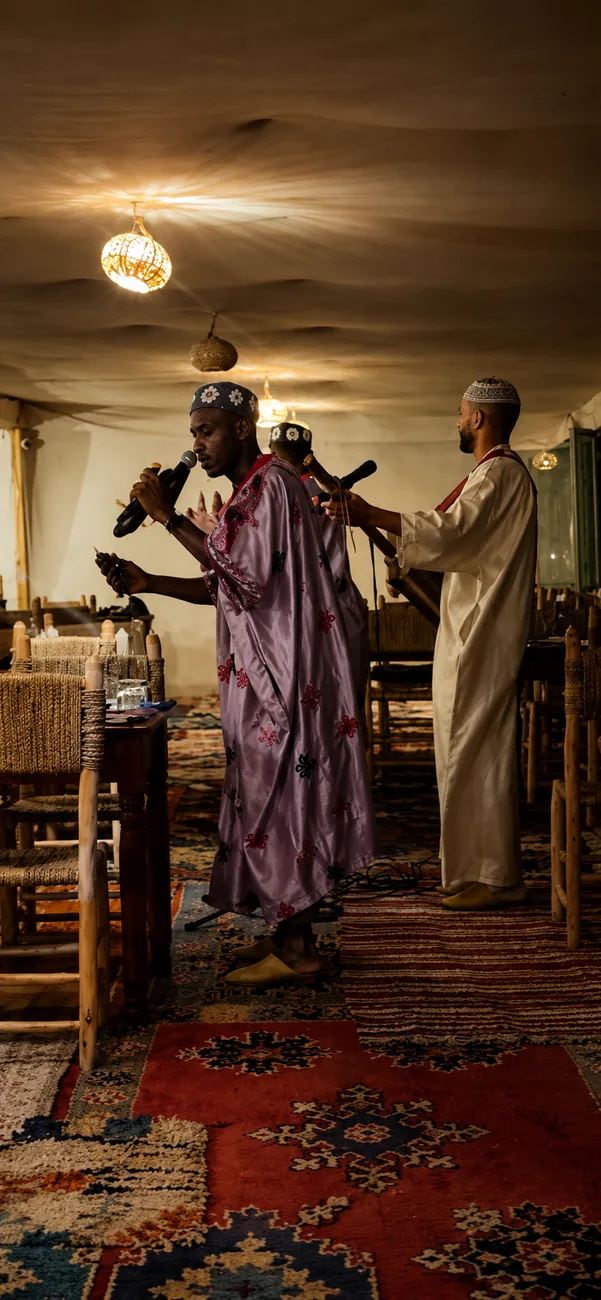
Marrakech is one of the easiest Moroccan cities to do solo. You'll meet people without trying. The Medina is walkable, and the cultural infrastructure (workshops, storytellers, music) is built around shared experience.
What to do:
- Gnawa nights in the Medina. The best Medina coffee shops host live Gnawa music sets — spiritual, hypnotic, completely different from anything you'll hear at home.
- Riad storytelling dinners. Several riads host professional Moroccan storytellers in their restaurants — tales from Morocco's history, told in French and English.
- Pottery, painting, or perfume workshops. Half-day workshops that double as social settings.
Where to stay: hostels in the Medina (easy social, hard to feel isolated). Single rooms in Medina riads (quieter alternative).
Should you rent a car? Probably not, if you're staying Medina-based. Taxis and walking work. A car only pays off if you want day-trips (Atlas, Ourika, Essaouira) where solo logistics get harder without one.
Cars I'd suggest for this trip
On a budget — Marrakech rewards lean travelers
Marrakech rewards budget travelers more than most cities. The free and cheap moves are abundant if you know where to look.
What to do:
- Street food. Small local businesses serve excellent breakfasts at a fraction of the price. You can eat well all day — breakfast, lunch, dinner — for under €20 if you stay outside tourist restaurant zones.
- Walk everything. If you're staying in the Medina, walking takes you to every souk, every monument, and most cultural sights without spending a dirham on taxis or fuel.
- Drink at the riad, not the bar. Bars in Marrakech charge more than double the liquor-store price. Buy a bottle, drink at your accommodation.
- Plan a tight route. Going to Ourika? Hit Anima Garden on the way. Tourists often double back unnecessarily; a clean route saves time and money.
- Avoid summer travel. Marrakech in summer is high season — everything costs more, the crowds are heavier, and the heat is real. Spring or autumn gives you the same sunshine, more space, lower prices.
Skip: petit taxis for short distances. They charge a lot for trips you could walk. Restaurants in Gueliz — pricier than the Medina without proportionate quality.
Where to stay: Airbnbs outside the Medina walls.
Practical: bargaining works on almost everything in the Medina. Even when a price already sounds cheap, you can usually shave a few euros off. The first quote is never the real price.
Cars I'd suggest for this trip
Day-trips by car from Marrakech
Marrakech is one of the best base cities in Morocco because of what's around it. Six day-trip destinations below — none of them work easily without a car.
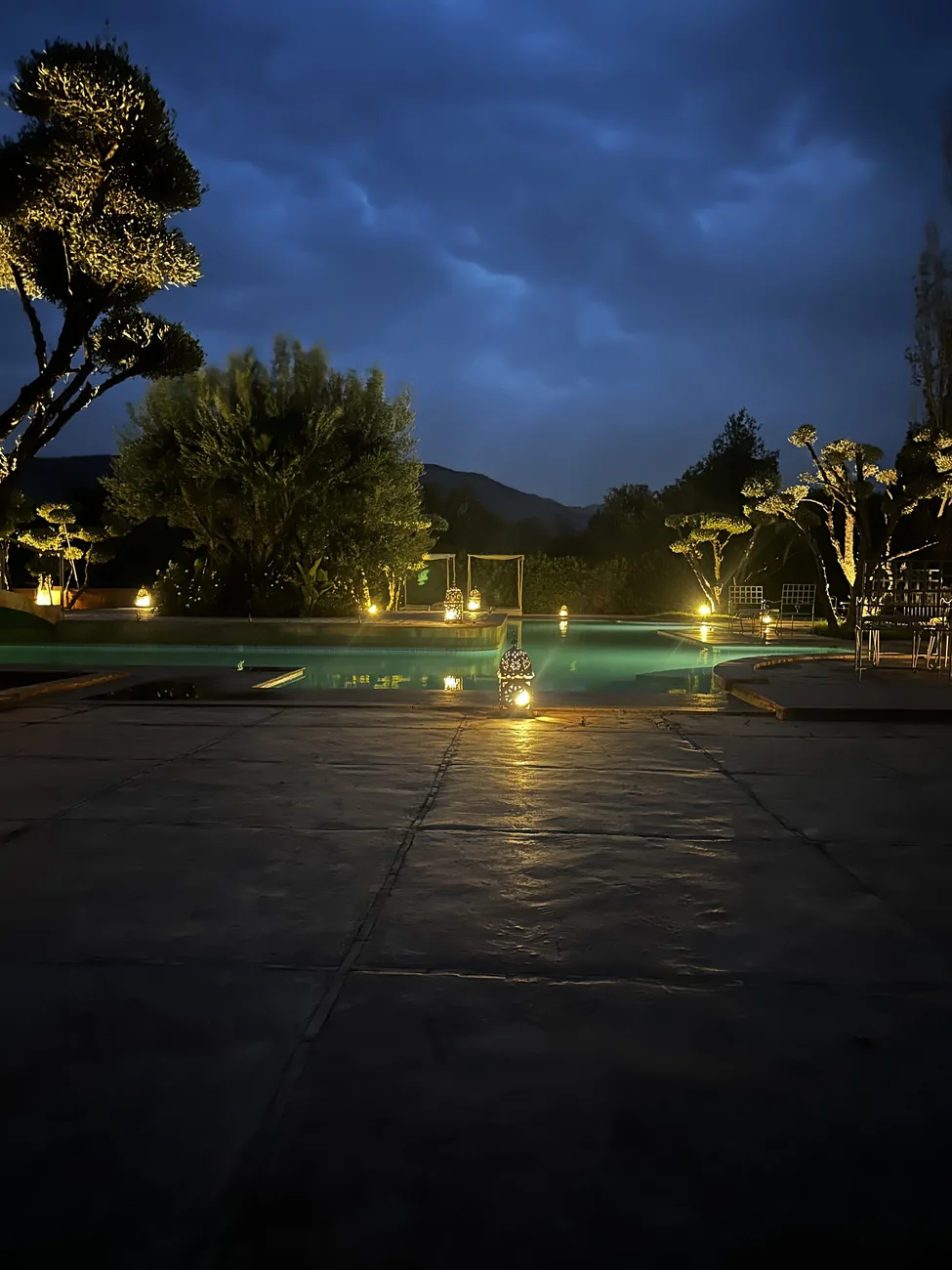
Ourika Valley
Drive time: about 1h 20 from Marrakech. Road: smooth tarmac out of the city, then curvier as you climb. Drive cautiously on the mountain section.
What to do: eat a slow-cooked tajine or Moroccan barbecue at a riverside restaurant. Hike up to the cascades if you have the legs.
Stop on the way: Anima Garden or one of the pottery shops along the road — great for gifts.
Tip: go midweek if you can. Ourika packs out on weekends with locals and tourists; midweek you get the valley closer to its quiet self.
Essaouira (Atlantic coast)
Drive time: about 3 hours. Road: smooth highway most of the way.
What to do: horse riding on the beach, the old Medina (UNESCO listed), surfing for any level. The fortified town is dramatic in any weather.
Stop on the way: about 10 minutes before arriving, there's a hillside viewpoint where people stop for photos, camel rides, and to stretch.
Tip: even in summer, Essaouira is windy and gets chilly at night. Bring a hoodie or a light jacket — you'll thank me at sunset.
Imlil and the High Atlas
Drive time: about 1h 30. Road: curvier than the Ourika road. Mountain driving — take your time.
What to do: hike to the Imlil waterfall. Find a viewpoint with a tajine. Stay overnight if you have the time.
Tip: an overnight stay in Imlil is one of the best things you can do near Marrakech. Unbelievable night sky — millions of stars, frequent shooting stars, and the kind of silence that doesn't exist within 100 km of a city.
Ouarzazate and Aït Benhaddou
Drive time: about 3h 30 (with traffic on Tizi n'Tichka). Road: curvy with heavy trucks, but vastly improved in recent years. The Tizi n'Tichka pass is the slow section; afterward the road opens up and the drive becomes genuinely fun.
What to do: Aït Benhaddou is the UNESCO-listed ksar used as a filming location in Gladiator, Game of Thrones, and dozens of others. Ouarzazate itself is home to the largest film studios in Africa — both Atlas Studios and CLA Studios offer tours.
Agafay Desert
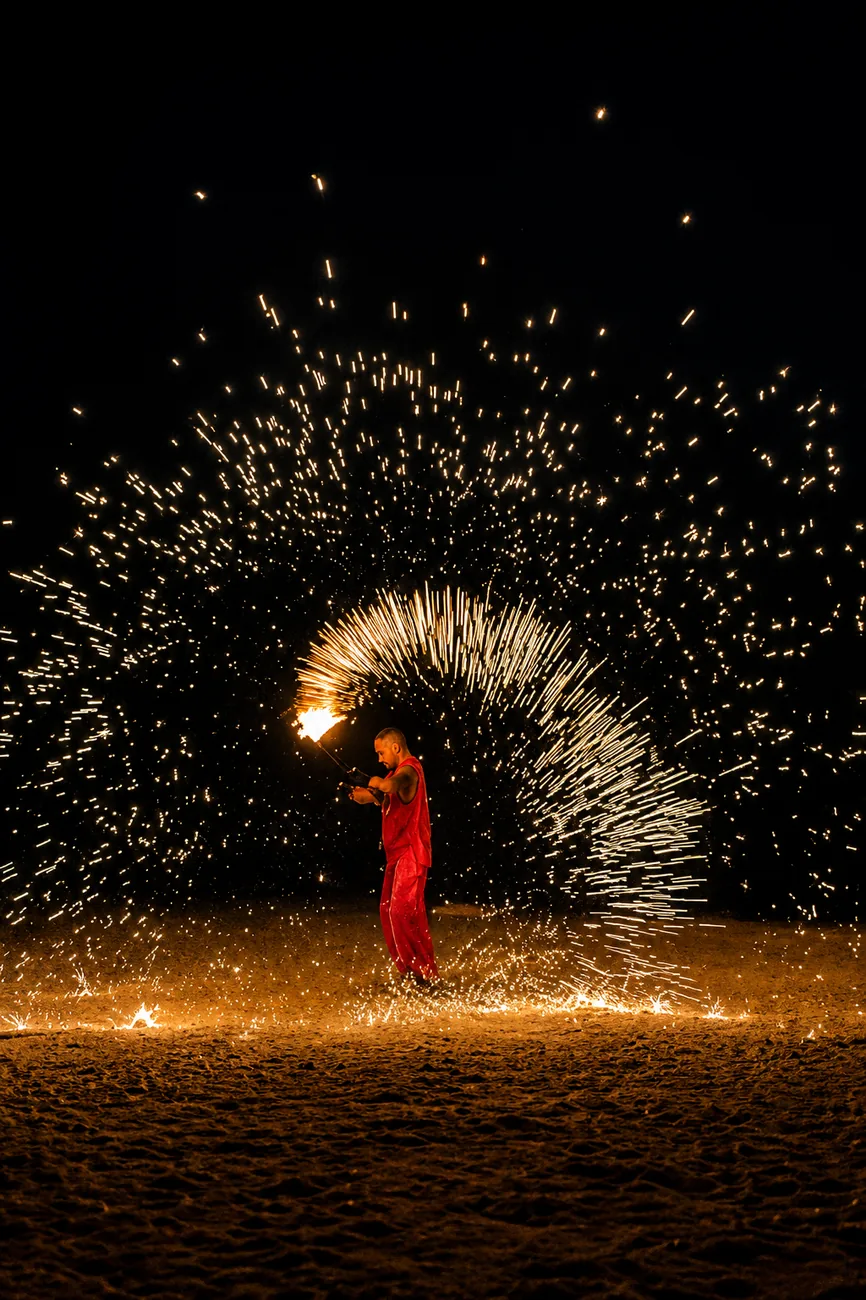
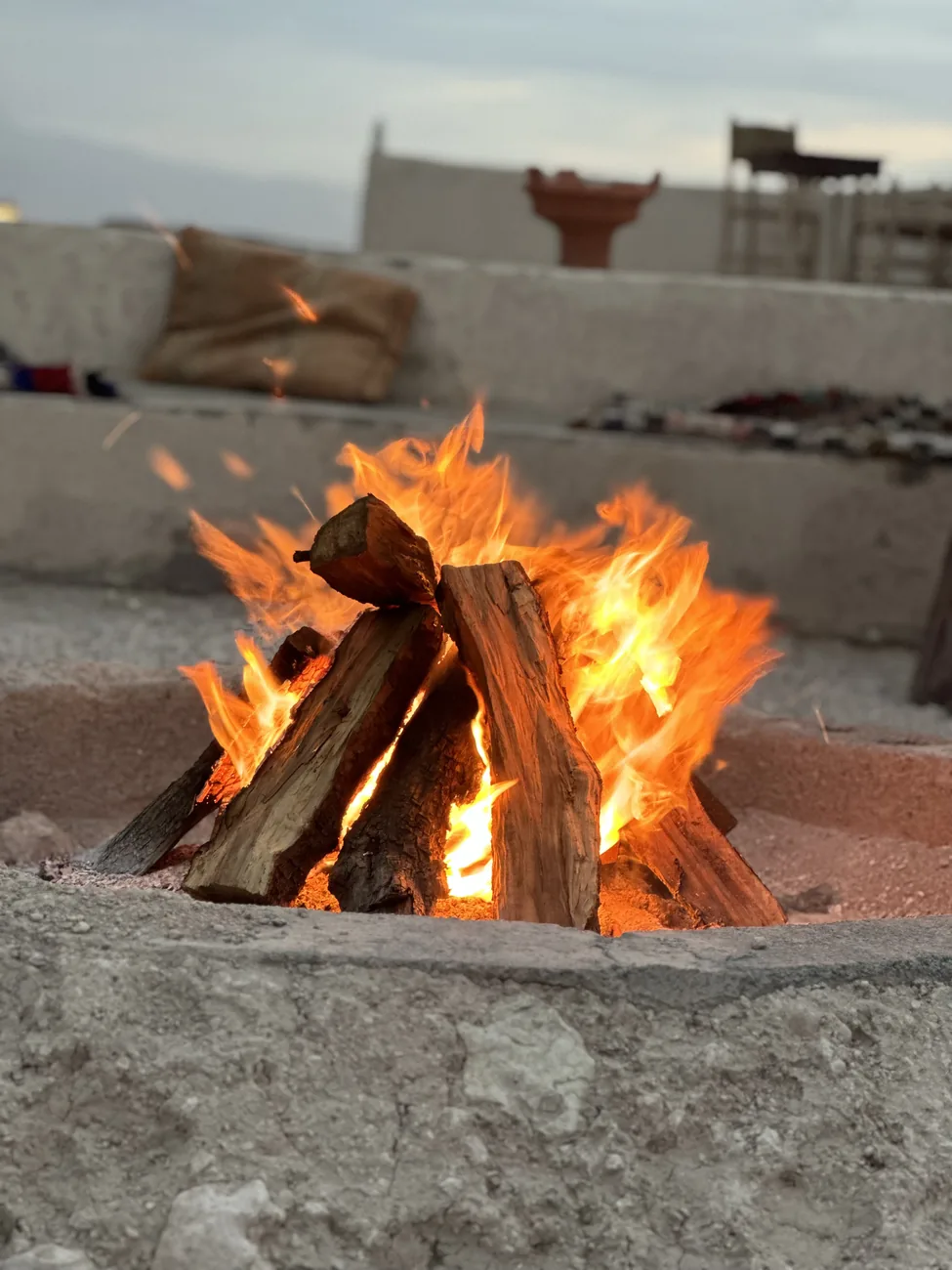
Drive time: about 45 minutes. Road: not great. Still under construction in places — expect bumps.
What to do: make a full day of it. Quads, camel rides, a dramatic sunset, a campfire, dinner with a live show, and a night in a tent or luxury camp. The Agafay overnight is one of the best getaways from the city's noise.
Asni and Ouirgane
Drive time: about 1h 15. Road: good but curvy. Mountain roads — drive alert.
What to do: if you go to Ouirgane, you relax. Clean air, meditation-quiet, good food, and the kind of stillness that resets a city brain.
Driving in Marrakech — the practical bit
This is the section nobody else writes because nobody else operates here. Read it before you pick up your rental.
Traffic patterns
In Gueliz and the Medina-adjacent neighborhoods, avoid driving around 1pm. That's the lunch rush and everyone is on the road at once. If you have an appointment then, leave 20 minutes earlier than the GPS estimate.
Parking by neighborhood
Gueliz: side-street curb parking is your best bet. If you find a spot 2–5 minutes' walking distance from your destination, take it — you may not find anything closer. Private lots are rare in this neighborhood.
Medina edge: if your riad is inside the Medina walls, double-check the route on Google Maps before driving. GPS sometimes routes you into alleyways too narrow for cars. Find a parking lot near your riad in advance, or ask the riad to recommend one.
L'Hivernage: almost no private parking other than the mall. Side-street curb is the default.
How riad delivery actually works
Delivering a car to a Medina riad is more complicated than it looks, because Google Maps will often try to route the car into a pedestrian alley where it physically can't go. Here's how we handle it:
- We call the riad directly before we head over.
- We identify the nearest parking lot that's actually accessible and within walking distance of the riad entrance.
- We park the car there, send the location to the customer, and meet them on foot.
- If we can meet directly in front of the riad, we do. If not, we walk them out and back so they know the route for next time.
That's how every rental delivery into the Medina has to work in practice. If a company tells you they'll deliver "directly to your door" in the Medina — they're either misleading you or they're using a moped.
One thing every first-time Marrakech driver should know
Seatbelts are mandatory at all times for front-seat passengers. For back-seat passengers, they're only mandatory once you leave the city for a national road or highway.
For more detail on parking, fines, and the gardien system: read our parking guide.
When to visit Marrakech
Summer (June–September) is peak Marrakech. The light, the activities, the pool culture, the late-night Medina energy — this is the city operating at full intensity. But daytime temperatures regularly hit 40–45°C, and if you're coming from northern Europe or the UK, that's a lot to absorb.
For comfortable weather, target spring (March–May) and autumn (October–November). Same sunshine, milder temperatures (20–30°C), fewer tourists, lower prices on accommodation.
Winter (December–February) isn't bad — cool but mostly clear days — but many activities (pool, desert overnight, outdoor dining) are weaker without strong sun.
Ramadan
During Ramadan, most restaurants are closed during the day, though fast-food chains and tourist-zone cafés stay open. Bars and liquor stores are closed. Life starts later in the day and the mood shifts. The upside: everything is significantly cheaper. You can experience the city for closer to two-thirds of the high-season price.
The one festival worth timing a trip around: Boujloud
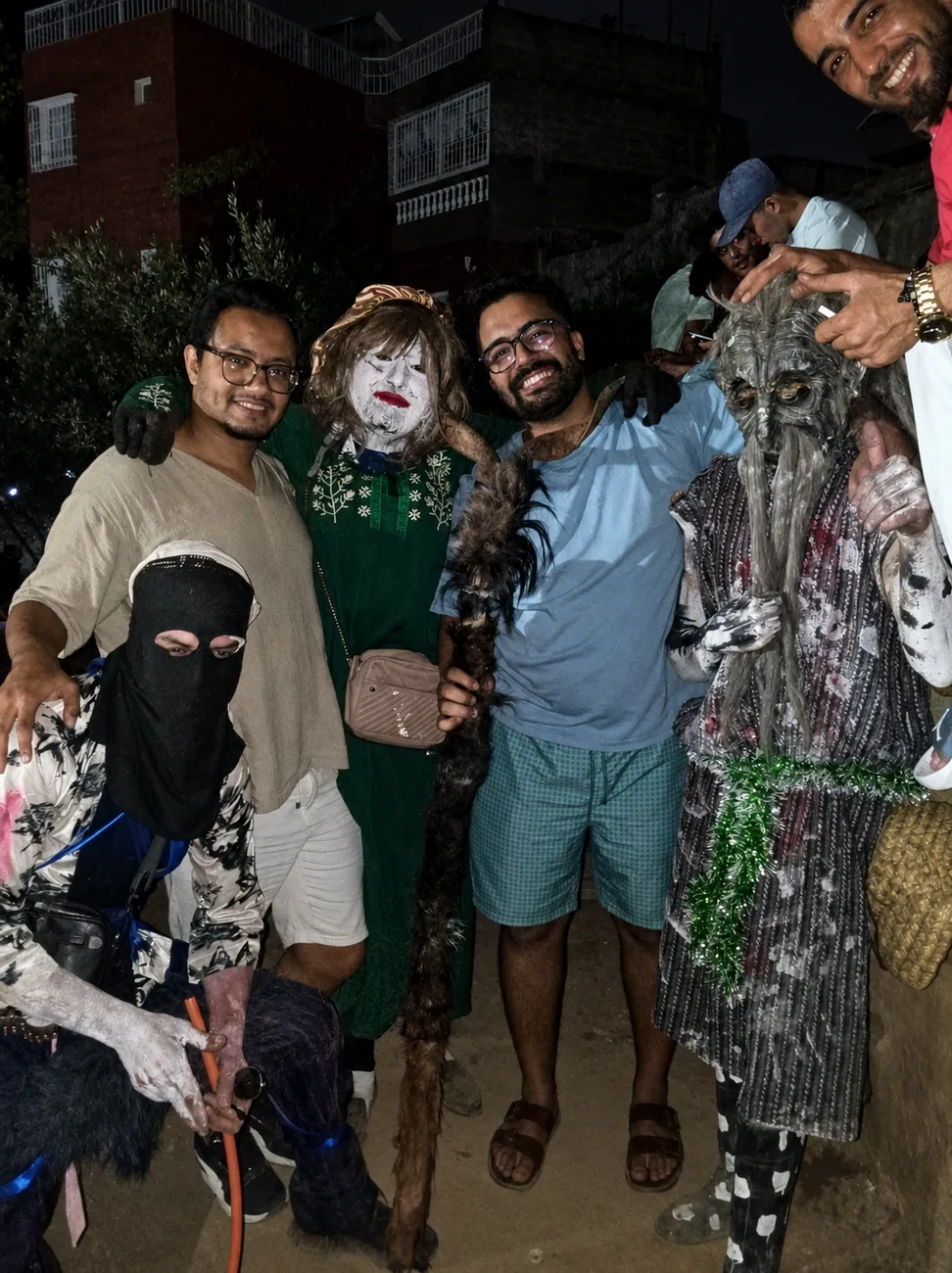
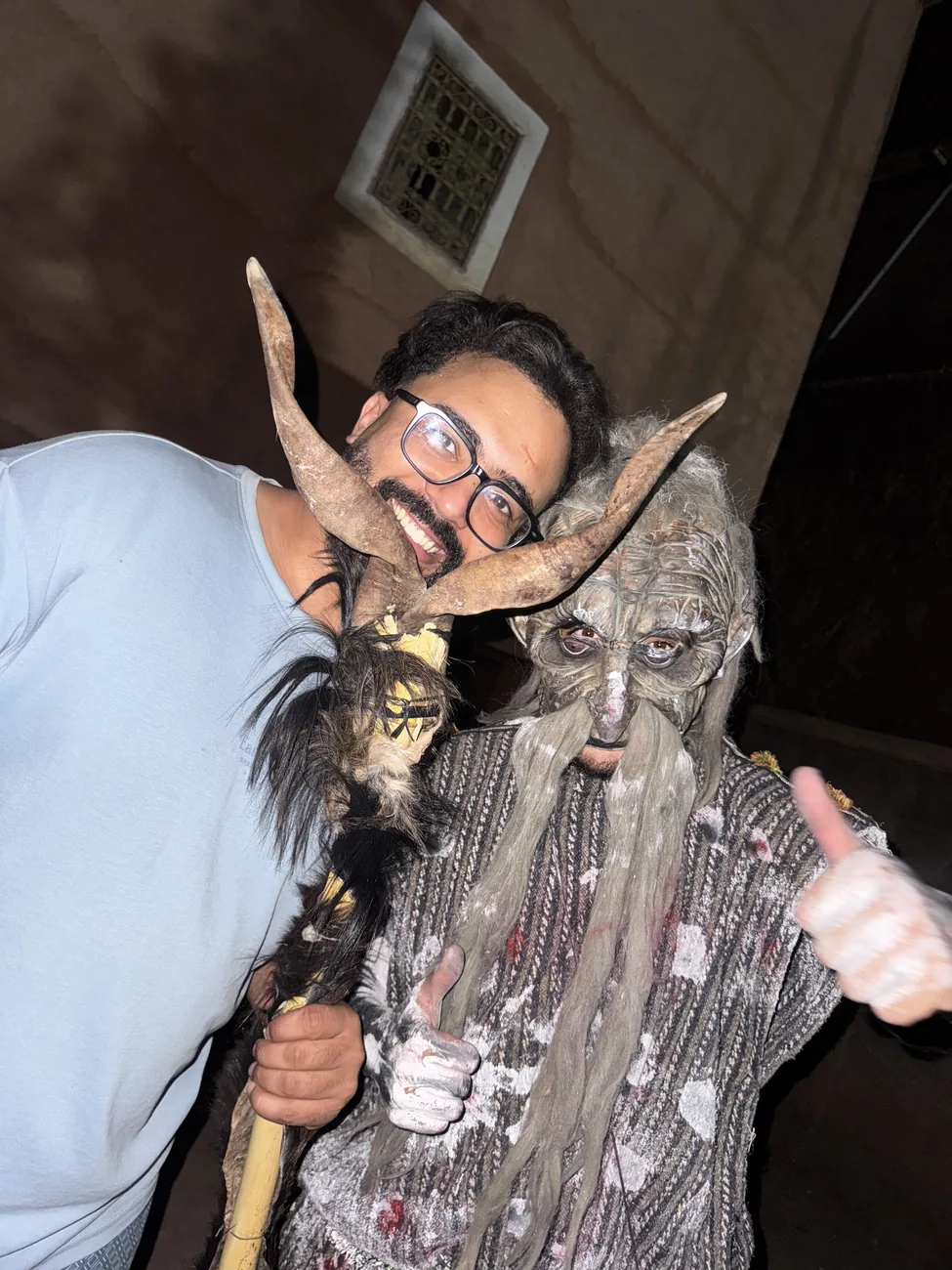
Right after Eid al-Adha, there's a Moroccan festival called Boujloud that almost no foreign travel guide mentions. It's the closest thing Morocco has to Halloween — but stranger and more participatory.
People dress up in sheep skins, goat horns, and other unconventional costumes, then take to the streets to dance, perform, and demand small change from spectators. If you give them money, you're entertained. If you don't, they have whips and props they use to swat people who don't pay.
Bring lots of small cash and change in your pockets. Be ready to dance. Don't mind a few small whips along the way. It's genuinely one of the most unique cultural experiences you can have in Morocco — and it's almost impossible to find written about anywhere in English.
Frequently asked questions