Driving In Morocco — A 2026 Traveler’s Guide

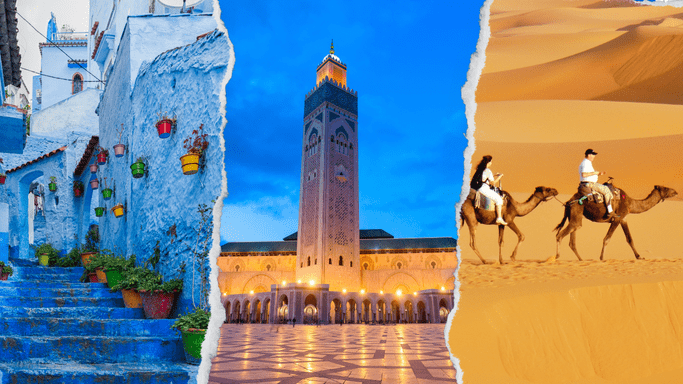
Morocco is one of the great driving countries. 5,000 kilometers of paved road, three mountain ranges, an Atlantic and a Mediterranean coast, the gateway to the Sahara, four imperial cities, and a driving culture that sits somewhere between European discipline and Mediterranean improvisation.
If you're thinking about renting a car and driving here yourself, you're making the right call. Almost everything worth seeing in this country is reachable by road — and most of it is too far from the train network or too inconvenient by tour bus to do any other way.
This is the guide I wish someone had handed my customers ten years ago when I started CarsRental.ma. It's not a generic content-mill post. It's what I tell every first-time visitor in person — the things about insurance, roads, police, fuel, and Moroccan driving culture that actually matter, written by someone who's been on these roads daily for over a decade.
Is renting and driving in Morocco right for you?
Short answer: yes, for most travelers. Long answer: it depends on three things.
- How much of Morocco do you want to see? If you're staying in Marrakech or Casablanca for a long weekend, taxis or Careem work fine. If you want to go Marrakech → Essaouira → Atlas → Fez → desert → back, a rental is essential. Organized tours add 30–50% to your cost and remove all flexibility.
- Are you comfortable driving in busy cities? Marrakech and Casablanca have intense urban traffic — scooters everywhere, lane discipline optional, parking improvised. If you find driving in central Rome or Naples manageable, you'll be fine here. If you've never driven in a Mediterranean or African city, the first day is a learning curve.
- Are you renting from someone you actually trust? This matters more than the car itself. Bad operators stack hidden fees at handover, dispute scratches at return, and disappear when you need support. Good ones (and I'll openly note we're one of them) handle all of that as a non-event.
Insurance — what's actually included, and what's worth paying extra for
Insurance is where bad operators make their margin. Here's the reality.
Basic insurance is included with every rental in Morocco by law. It covers third-party liability and collision damage with a high excess — typically €1,500–2,000. If you bump a curb hard, you're paying out of pocket up to that excess. If you total the car, basic gets you 80% of the way out.
Smart Insurance (mid-tier) — usually €10–15 a day on top. Lowers the excess to €500–700. Covers most realistic mishaps without bankrupting you.
Premium / Zero Excess — €20–25 a day. Excess goes to zero or near-zero. If you scratch a wheel rim leaving the airport parking lot, you pay nothing beyond the daily premium.
Smart Insurance for short Marrakech-only or Casablanca-only stays. Premium for any trip that includes the Atlas, the Anti-Atlas, the Sahara fringe, or a multi-city route. The mountain and back-country roads have unpredictable obstacles — rockfall, livestock, sand drift — and the basic excess will haunt you if anything happens.
What's NOT covered, regardless of tier:
- Driving on unmarked dirt tracks (anything off asphalt is off-insurance)
- Tire damage from obvious negligence (deep potholes you saw coming)
- Interior damage from spills (cleaning fee, usually €40–80)
- Lost keys (replacement, €100–200)
The roads — highways, secondary, mountain, dirt
Morocco's road network in 2026 is far better than its online reputation suggests. Here's the breakdown.
Highways (autoroutes)
A1 (Tangier → Rabat → Casablanca), A2 (Rabat → Fez), A7 (Casablanca → Marrakech → Agadir), A3 (Casablanca → Beni Mellal). Modern, multi-lane, well-maintained, tolled. The toll on Marrakech → Casablanca is around 80 MAD (≈ €7). Speed limit is 120 km/h. Police radar traps are common in the 70–100 km/h zone réduite sections — slow down where the signs tell you to.
Secondary roads (N-routes)
N1, N2, and so on. These connect cities not on the highway network. Two-lane, generally good asphalt, but slower (60–80 km/h zones, lots of villages, occasional sheep). The drive from Marrakech to Essaouira is on the N1 — 175 km, about 2h 45 typical. Agadir to Tafraout uses the N1 then the R102 — narrower, winding, and worth every minute.
Mountain roads
The High Atlas (Tizi N'Tichka pass, the Imlil road, the Ourika valley) and the Anti-Atlas (around Tafraout) are switchback drives — gorgeous, slow, and demanding. Expect 30–50 km/h average. Don't push it. In winter (December–February), check road status before you go — snow closes the high passes occasionally.
Dirt and piste
Off-asphalt routes through the desert or back-country. Insurance does not cover these. Only attempt with a proper 4×4 and someone local who knows the route. We rent SUVs, not desert expedition vehicles — there's a difference.
Police checkpoints — what they want, what to do
This is the section foreign drivers worry about most, and almost always unnecessarily.
Morocco has frequent police checkpoints (called contrôles or barrages) on highways and at city entrances. Usually just one officer waving cars through. Sometimes they'll stop you. Here's the truth.
What they're checking: Driver's license, vehicle registration (carte grise), insurance certificate, and occasionally vehicle technical inspection (visite technique). All four documents stay in the car at all times — we keep them in the glove compartment, you don't have to think about them. They almost never check passengers' IDs.
What they ask: "Bonjour, vos papiers s'il vous plaît." You hand them the four documents. They glance, return them, sometimes ask "où allez-vous?" (where are you going), wish you "bon voyage."
Speeding fines. If you got caught on a radar, the fine is paid on the spot, in cash. Standard fine: 300 MAD (≈ €28) for moderate speeding, 700 MAD (≈ €65) for more serious. Always get an official receipt (récépissé). If they don't offer one, ask for it politely.
What NOT to do: Don't offer money preemptively. Don't argue aggressively. Don't pretend you don't speak any French — even a few words help. Most officers speak basic French and many speak some English.
Fuel — where to find it, how to pay
Fuel stations are dense on the highway network — every 30–50 km on the A1 and A7. Less dense on N-routes — every 50–100 km. Sparse on mountain roads and the Anti-Atlas — fill up before you head inland.
Prices (May 2026): Diesel around 14.5 MAD/L (≈ €1.35). Gasoline 95 around 15.5 MAD/L (≈ €1.44). Variable by brand — Total and Shell are pricier; Afriquia is mid-tier; smaller local stations slightly cheaper.
Payment: Most stations accept Visa and Mastercard. Some smaller ones in rural areas are cash-only. Always carry 300–500 MAD in cash for fuel, tolls, and the occasional parking gardien.
If you're heading into the Atlas, Anti-Atlas, or Sahara fringe, top up at the LAST big-town gas station before the climb. We've had renters call us at 30% fuel halfway up a pass with no station for the next 60 km. Don't let that be you.
What surprises foreign drivers
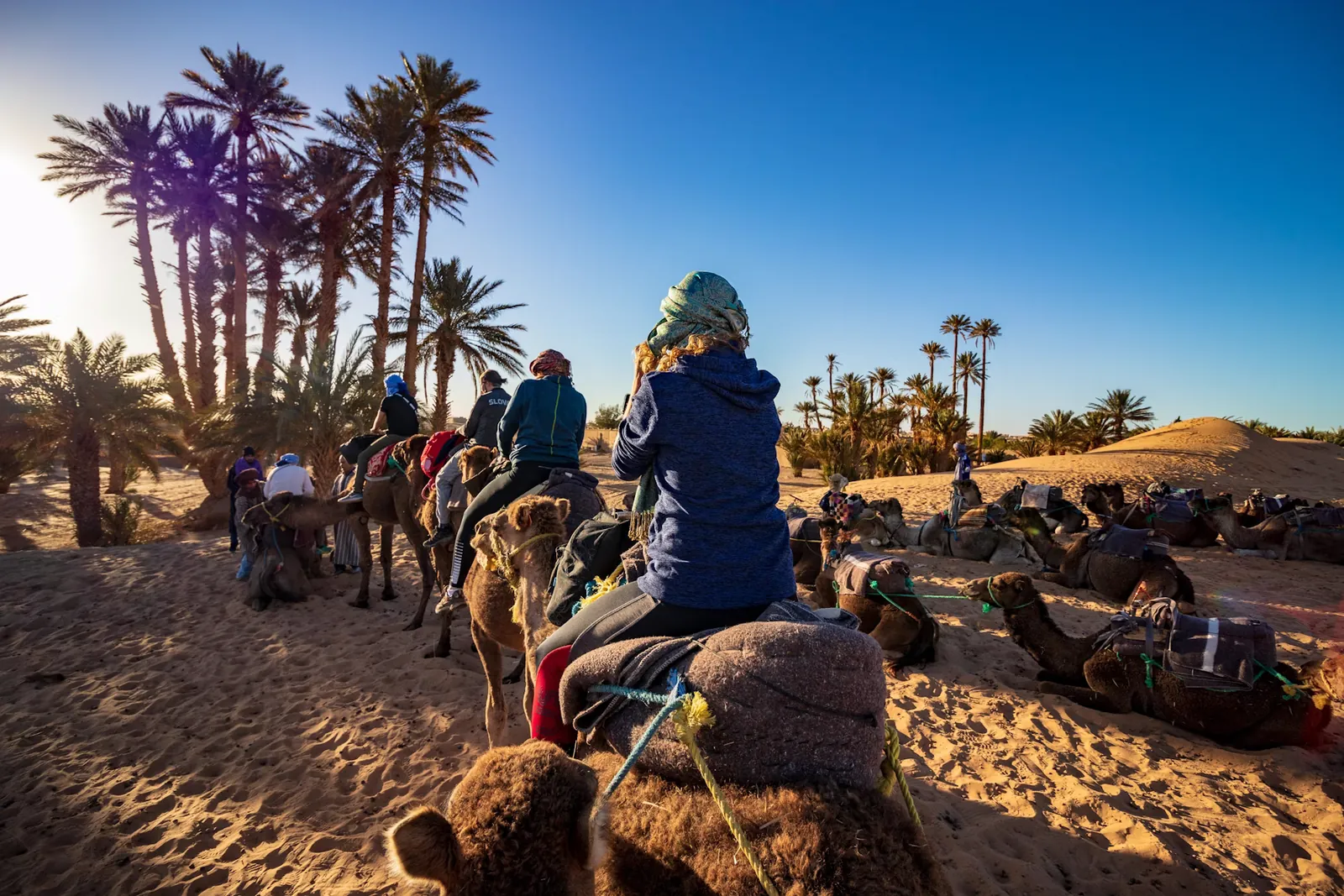
Things our customers tell us, after their first day driving in Morocco:
- Scooters weave through everything. Especially in Marrakech, Casablanca, and around the medina gates. They cut between lanes, undertake on the right, and stop at red lights only sometimes. Look constantly. Don't change lanes without checking your mirror twice.
- The gardien parking system. On most city streets, a man in a yellow vest will appear when you park. He's the unofficial parking attendant — he watches your car, helps you back in, sometimes gives change for the meter. Tip 5–10 MAD when you return. It's not a scam; it's the local system. He'll remember your face if you come back.
- Right-of-way is improvised. At unsignalized intersections, the bigger vehicle often goes first. At roundabouts, technically priority belongs to cars already in the roundabout — practically, go when there's a gap. Don't be timid; don't be a maniac.
- Honking is communication, not aggression. A quick toot means "I'm here, I'm passing, watch out." It's not road rage. Returning a friendly honk is fine; escalating is not.
- Signage is mostly French and Arabic. Some signs include Tifinagh (Berber). In tourist regions, you'll also see English. Google Maps and Waze both work everywhere — Waze is more accurate for live traffic in Moroccan cities.
- The driving culture is fast, but not hostile. People will overtake aggressively but rarely with anger. The reputation Morocco has online for "crazy driving" is overdone. If you make a mistake, a horn-tap usually means "noted, drive on."
Renting in Morocco — what to look for, what to avoid
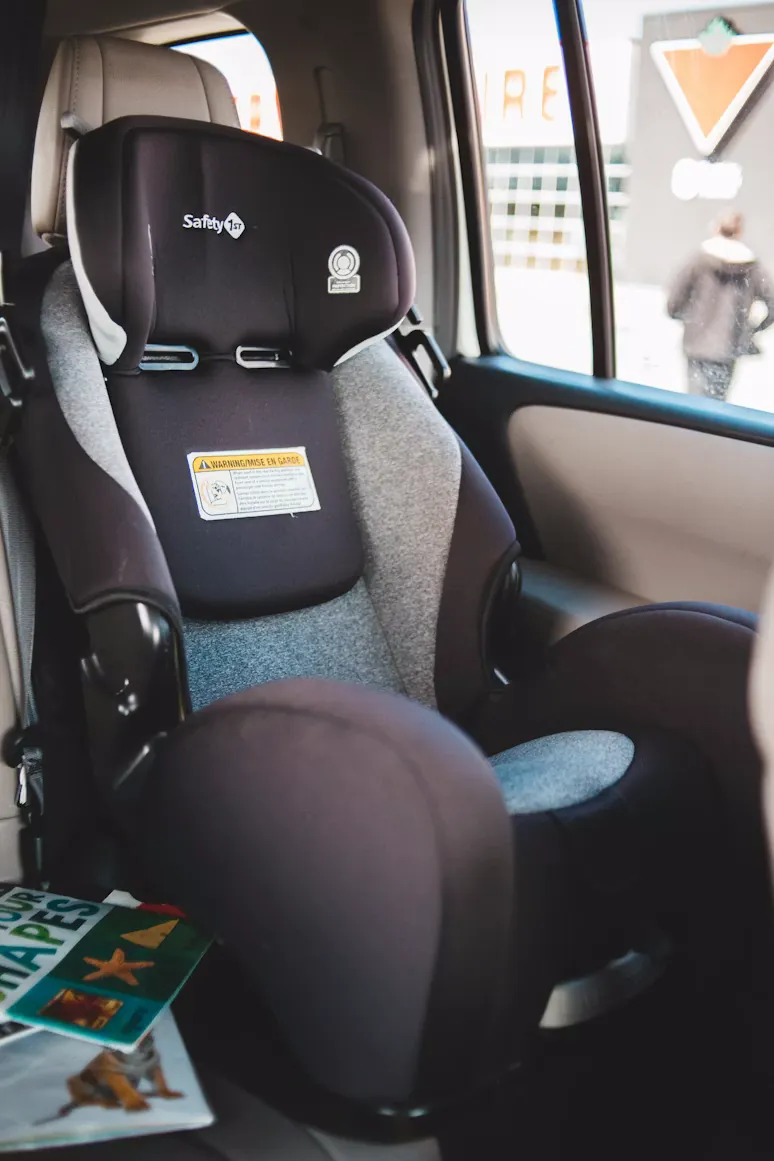
A quick checklist before you commit to a Moroccan rental operator.
Look for:
- Transparent pricing — the all-in price you see online matches the confirmation email AND the price you pay at handover. If "airport supplement" appears at the counter, walk away.
- Door-to-curb delivery available. Saves 60–90 minutes off rental-desk queues at the airport. Standard with most quality Moroccan operators (us included).
- WhatsApp support, 24/7. Phone trees and email tickets don't work for travel. WhatsApp does.
- Real Google reviews — 4.7+ stars across 100+ reviews is a good benchmark.
- A real Moroccan operator with a real local address. International chains (Hertz, Avis) have inflated airport rates. Smaller Moroccan operators have lower rates AND better local service.
Avoid:
- Cash-only deposits in big amounts. No legitimate operator asks for €1,000 in cash. A card hold is normal; large cash demands are a red flag.
- "Mandatory" insurance upsells. Basic insurance is legally required and included. Anything beyond is optional. If "Premium is mandatory," walk away.
- Vague pickup instructions. "We'll call you when you land" is not a plan. A good operator sends a driver's name, phone, plate, and car photo at least 24 hours in advance.
For the specific airport experience at each of Morocco's four main airports — Casablanca (CMN), Marrakech (RAK), Agadir (AGA), Rabat (RBA) — see the airport-specific guides linked at the end of this article.
Frequently asked questions