Things To Do In Casablanca: A First-Time Guide Beyond Hassan II Mosque

Casablanca is worth visiting, but only if you approach it with the right expectations. If you want the most theatrical medina in Morocco, or a city that gives you postcard romance on every corner, this probably will not be your favorite stop.
But if you care about modern Moroccan city life, ocean light, downtown geometry, transport rhythm, and a more lived-in energy than Marrakech, Casablanca becomes much more interesting. It feels urban rather than staged, and it rewards a route that has shape instead of a vague wander.
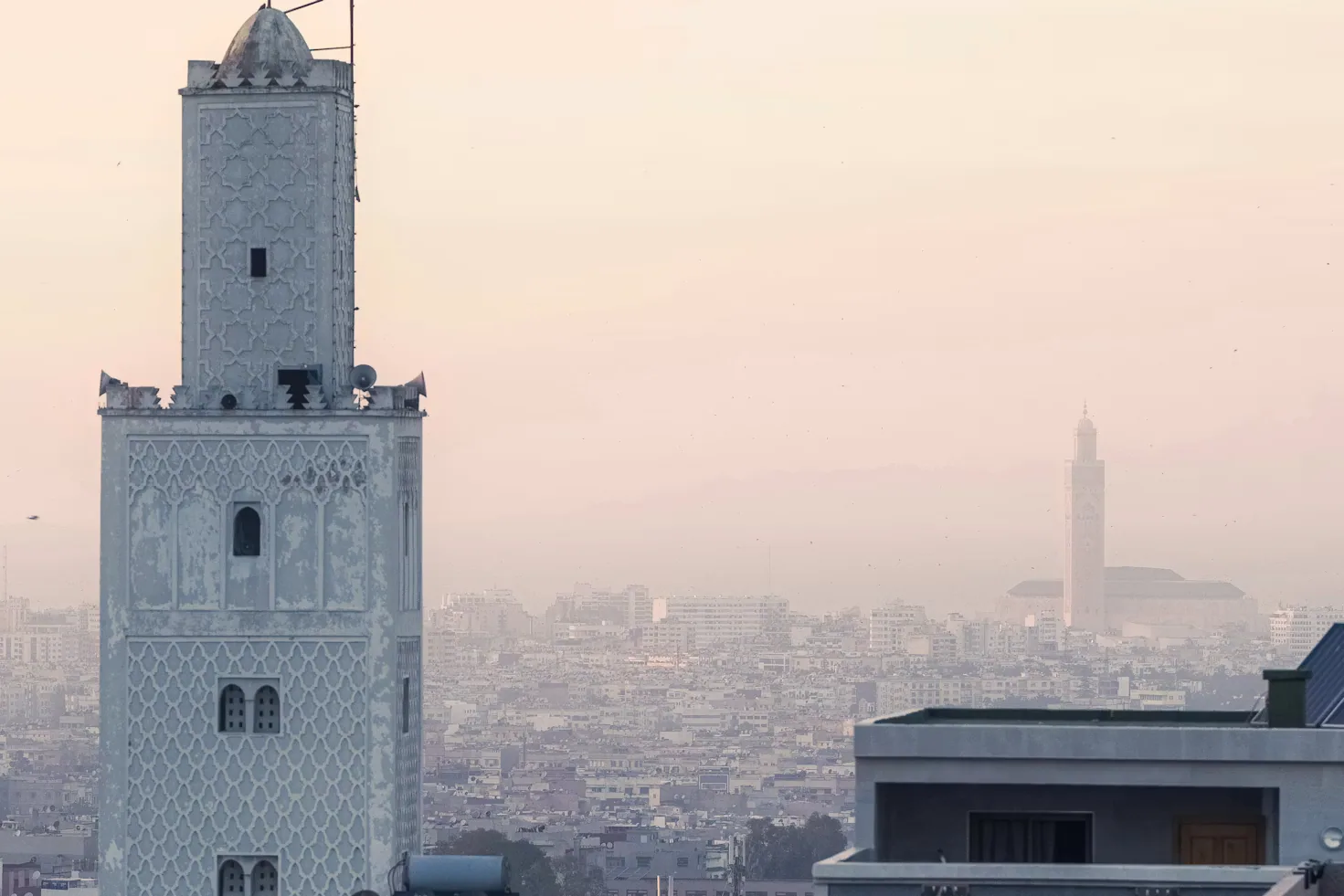
Is Casablanca worth visiting?
Yes, especially if you like cities that reveal themselves through structure rather than instant spectacle. Casablanca is stronger as a short urban stop than as a medina fantasy. That is exactly why some travelers love it and others leave too quickly.
- You like architecture as much as monuments.
- You want a city that feels contemporary, not only historical.
- You enjoy seeing how locals actually move through a place.
- You are making a short stop before continuing to Rabat, El Jadida, or Marrakech.
- You want a more grounded version of urban Morocco.
If you only have one day, start here
The fastest way to enjoy Casablanca is to give the day a real structure. The city feels better when each stop earns the next one instead of competing with it.
- Start early at Hassan II Mosque.
- Move back toward central Casablanca for Mohammed V Square and the downtown streets.
- Stop at Central Market for lunch or a seafood break.
- Choose between the Old Medina and Habous Quarter based on your mood.
- Use Arab League Park or a short tram break to reset the pace.
- Finish near the waterfront or save sunset for the mosque area.
The right move is balance, not overreach: start with the major landmark, then let the rest of the day reveal markets, architecture, tram movement, and the quieter urban texture that makes Casablanca feel distinct from the rest of Morocco.
Begin with Hassan II Mosque, but do not stop there
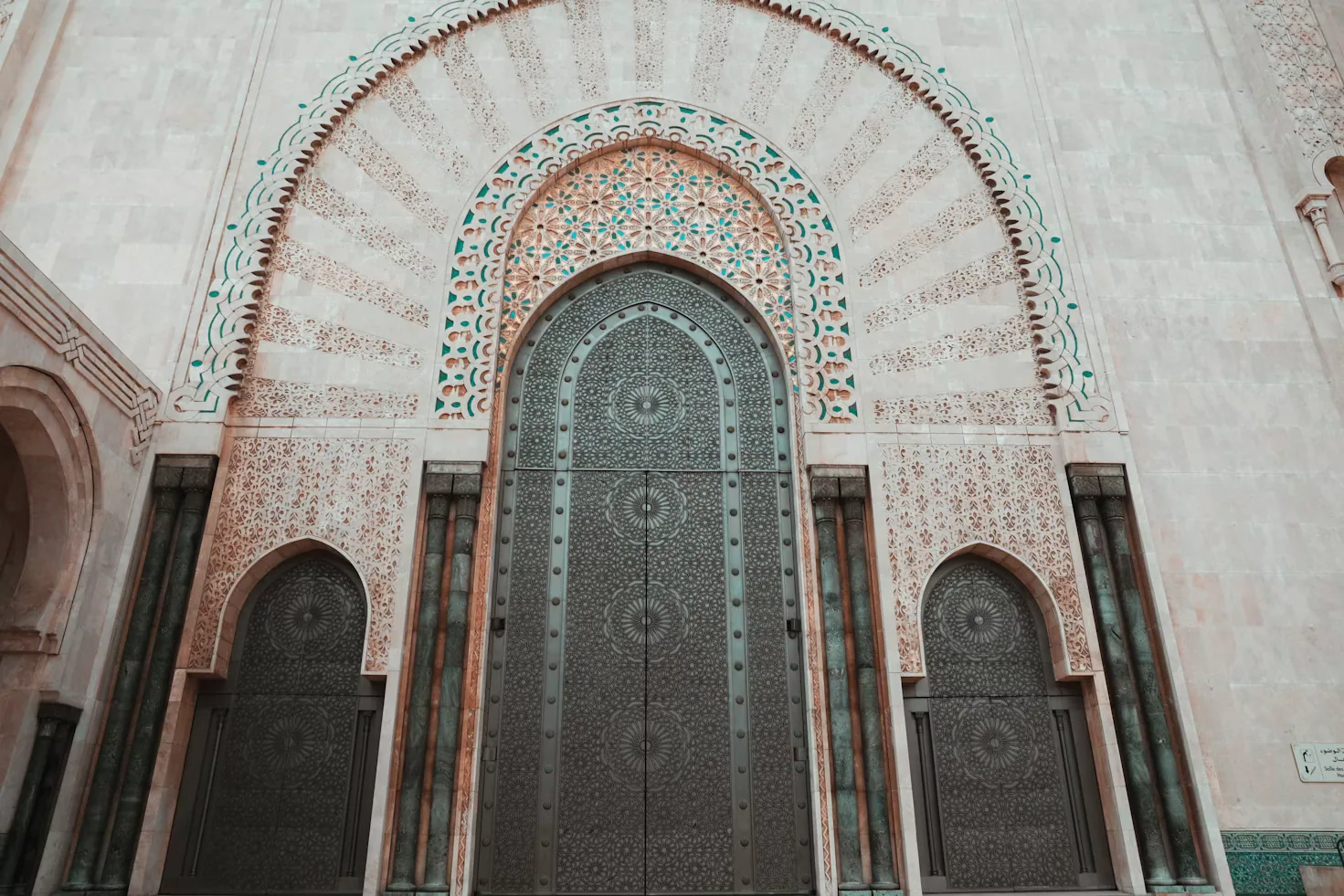
Hassan II Mosque deserves its reputation. Even people who think they already know it from photos are usually still surprised by the scale once they arrive. It dominates both the Atlantic edge and the city's visual identity.
As of June 21, 2026, the official guided visits page lists foreign adult tickets at 140 dhs. For the period from March 15 to September 15, the official site lists guided visits at 09:00, 10:00, 11:00, 12:00, 15:00, and 16:00 from Saturday to Thursday, and 09:00, 10:00, 15:00, and 16:00 on Friday. These details can change, so rechecking the official page before you go is still the smart move.
Walk central Casablanca for architecture, squares, and city rhythm
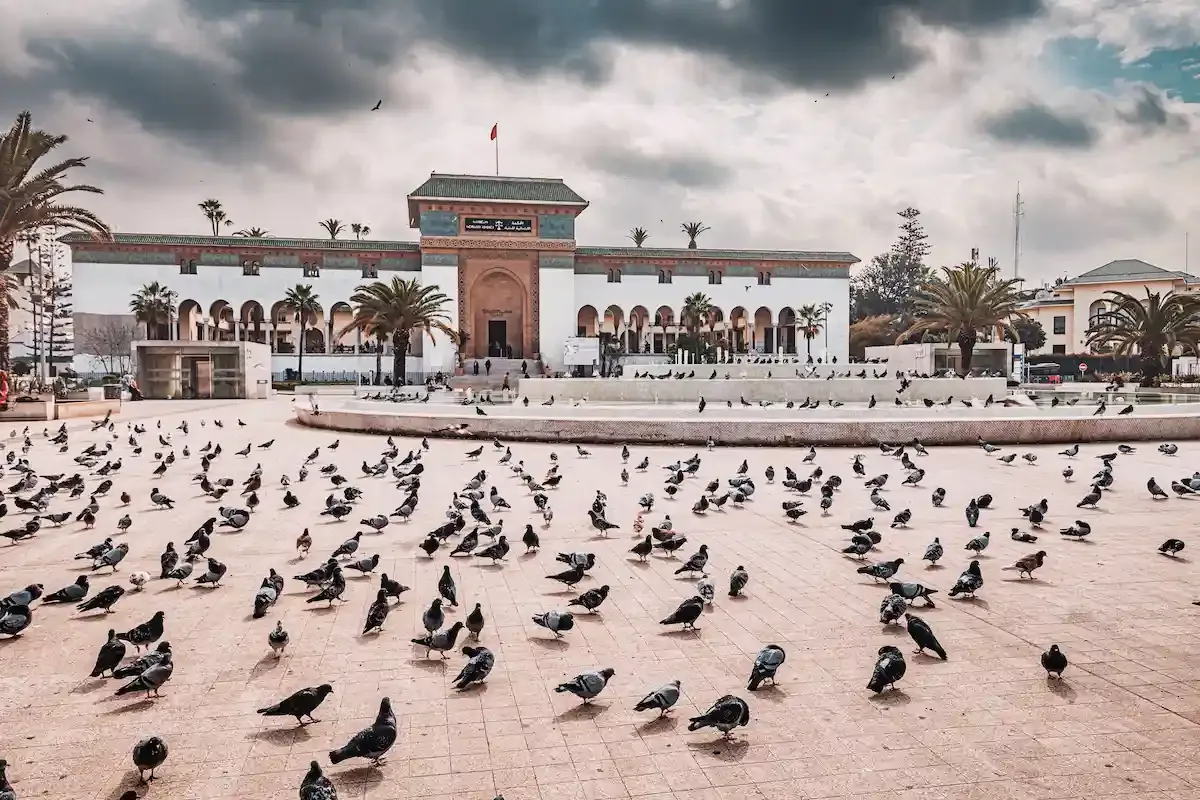
Once you leave the mosque area, central Casablanca starts to make more sense on foot. This is where the city shifts from grand symbol to everyday texture: civic buildings, broad streets, faded facades, tram lines, and a mix of administrative calm and urban movement.
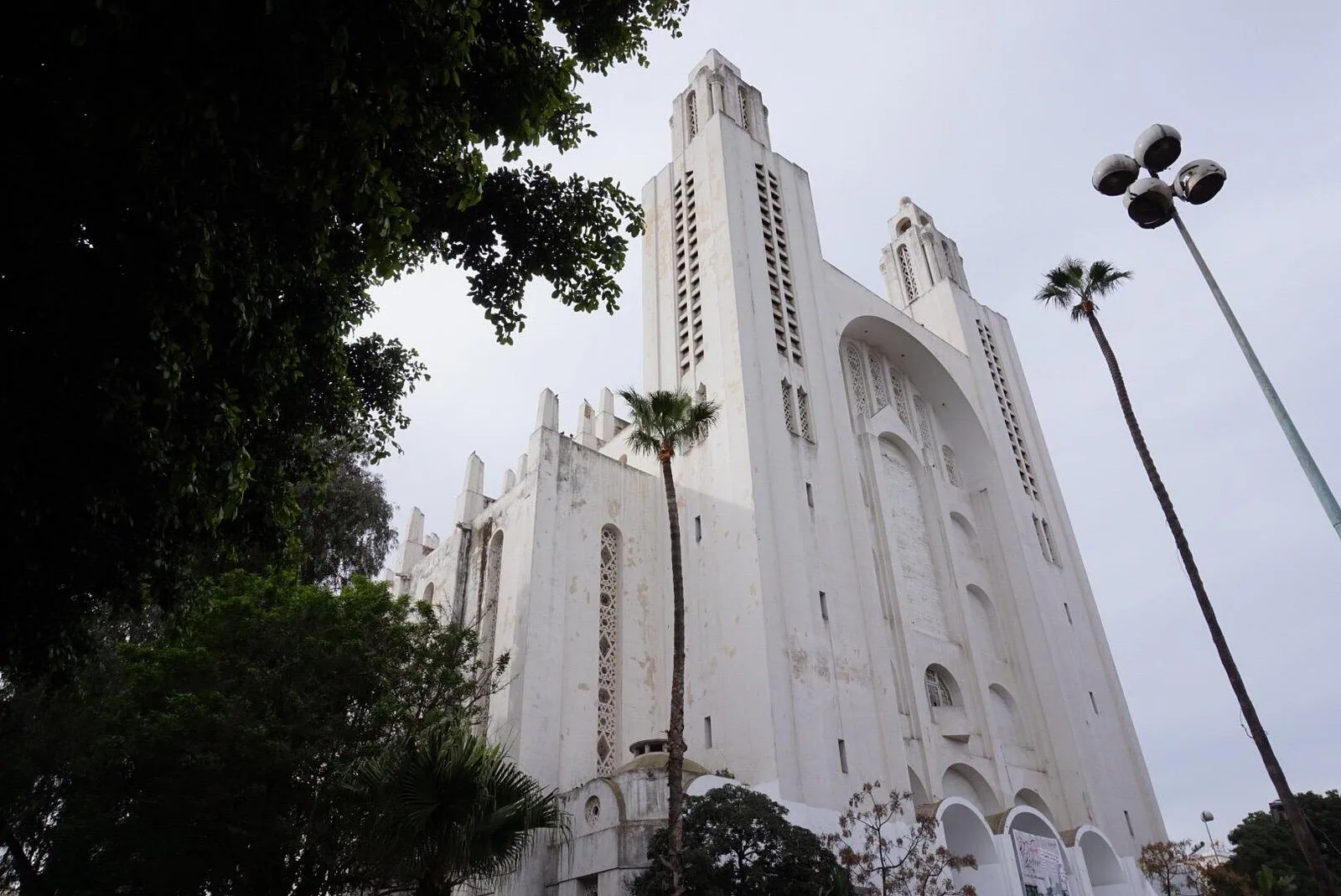
Casablanca's downtown remains one of the strongest places in Morocco to notice the dialogue between French urban planning, Moroccan motifs, and twentieth-century commercial ambition. Mohammed V Square is the easiest place to begin that reading of the city.
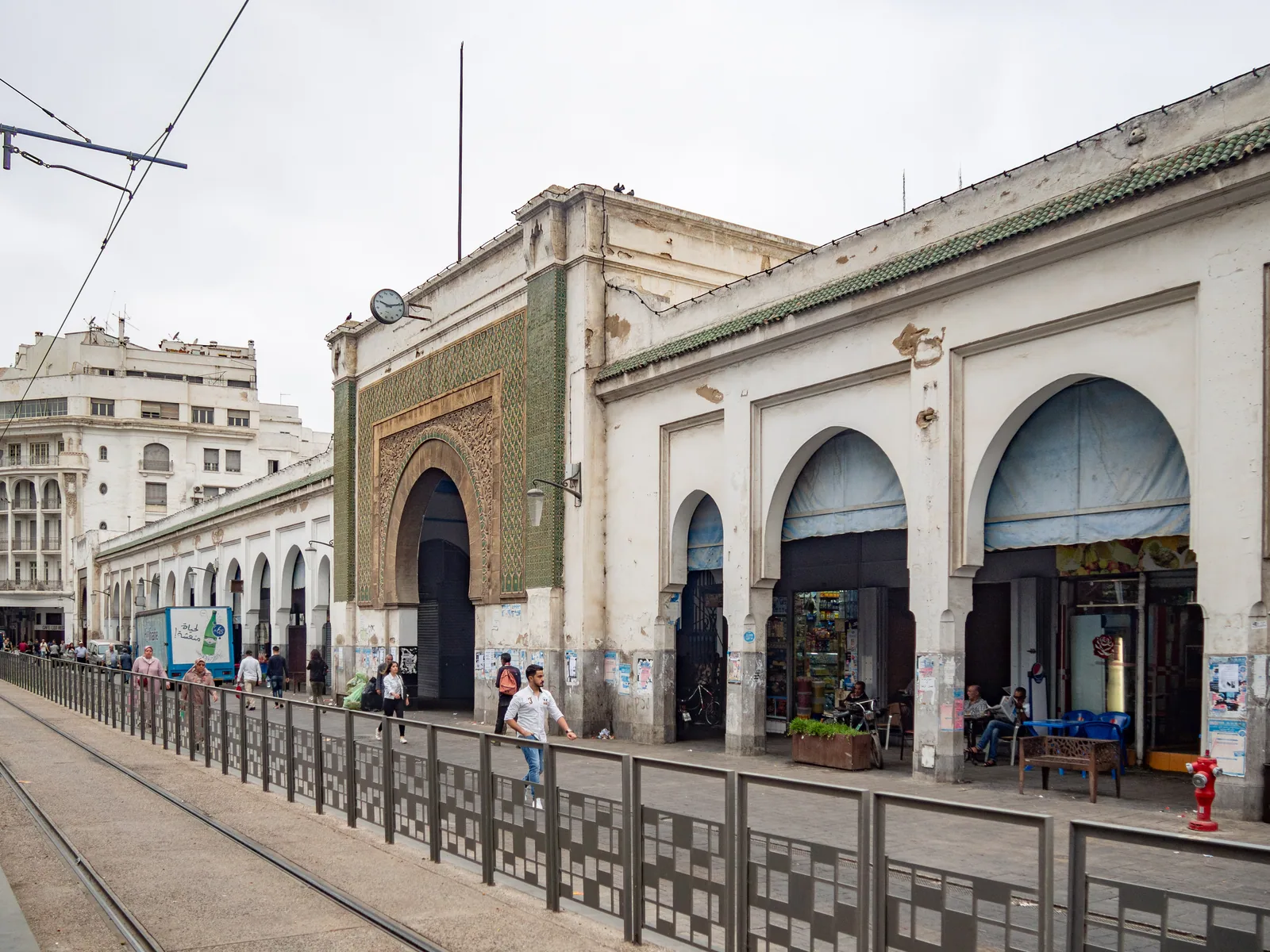
Eat around Central Market, not just around the tourist icons
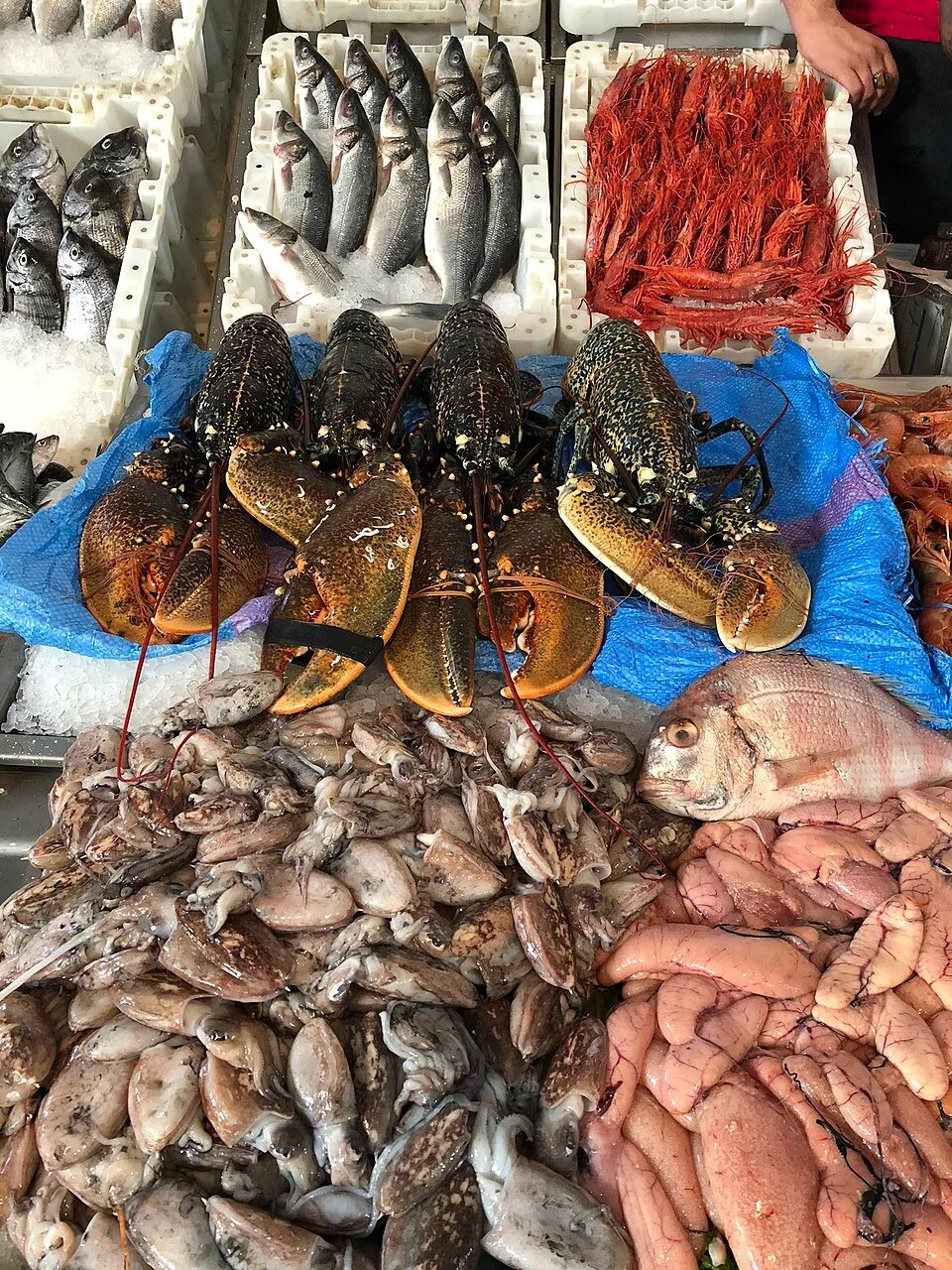
One of the easiest ways to make Casablanca feel more memorable is to stop treating meals as an afterthought. Central Market works well because it is practical, central, and visually strong. It gives you both a market setting and a place to pause between sightseeing zones.
This is also one of the places where Casablanca stops feeling like an abstract business city and starts feeling local again: produce, counters, seafood, movement, and enough texture to rebalance the monumental mood of the morning.
Choose between the Old Medina and Habous Quarter
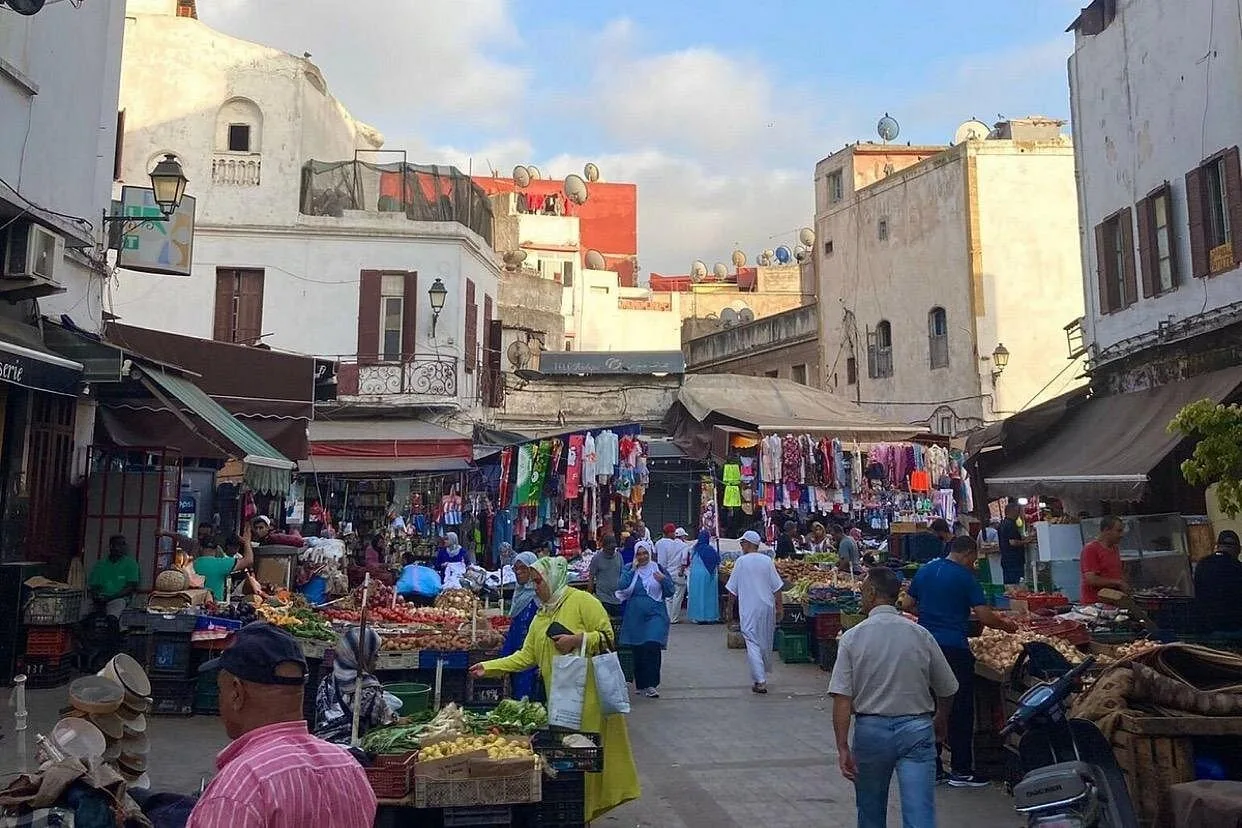
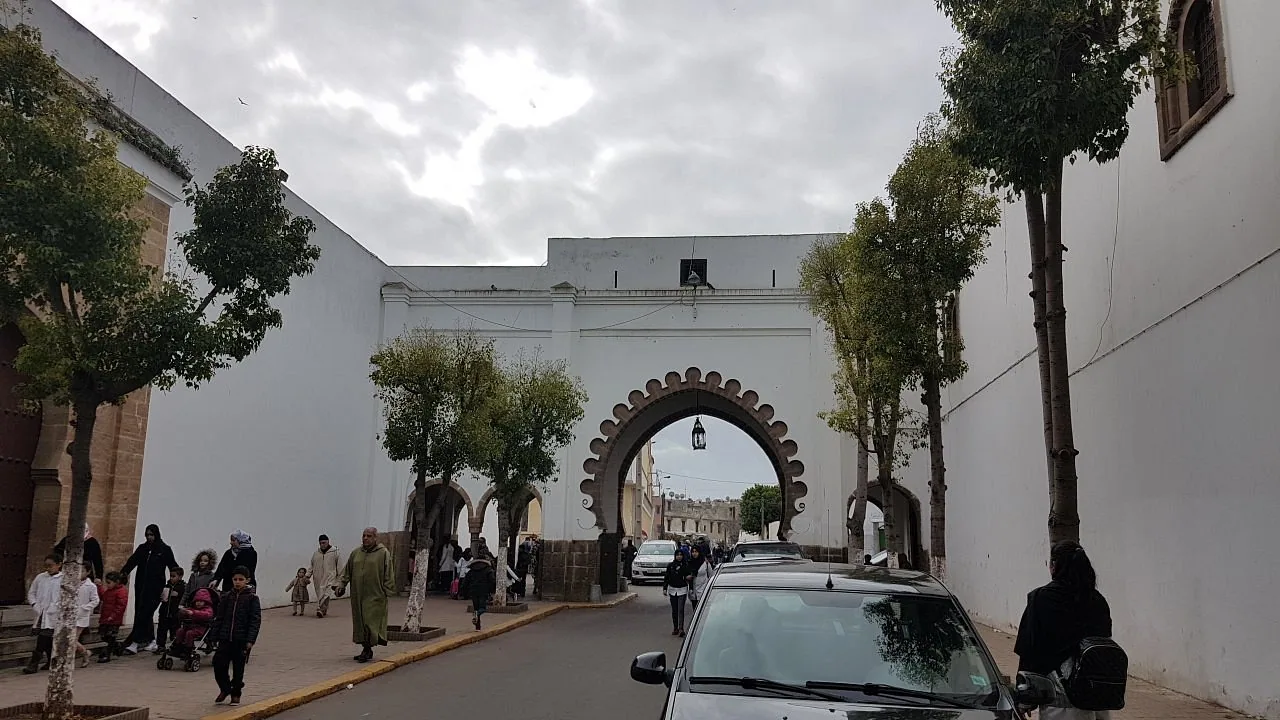
Casablanca's Old Medina is not Fez, and it is not Marrakech either. If you enter expecting a vast historic maze packed with layered monuments, you may be disappointed. If you enter it as a compact slice of everyday city life, it becomes much more rewarding.
Habous Quarter is a different mood: cleaner, easier to browse, more structured, and often more photogenic for short-stay visitors. If you only choose one, pick the Old Medina for messier street life and Habous for a calmer, more legible stop.
Use Arab League Park and the tram to break up the day
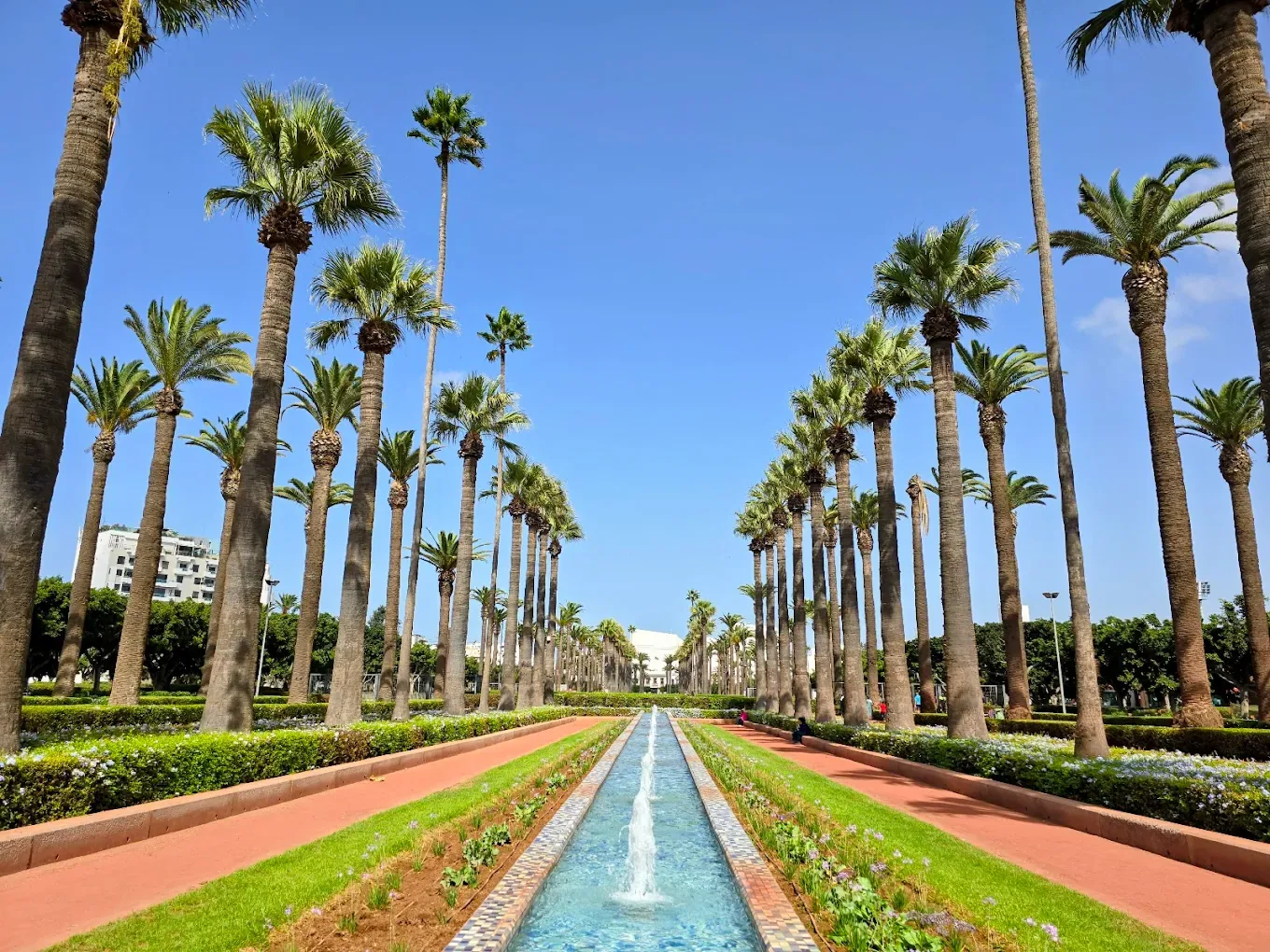
Casablanca can feel intense if you move through it as one continuous block of sightseeing. A short green pause helps. Arab League Park gives the day some breathing room and shows that the city is not only about traffic, institutions, and concrete.
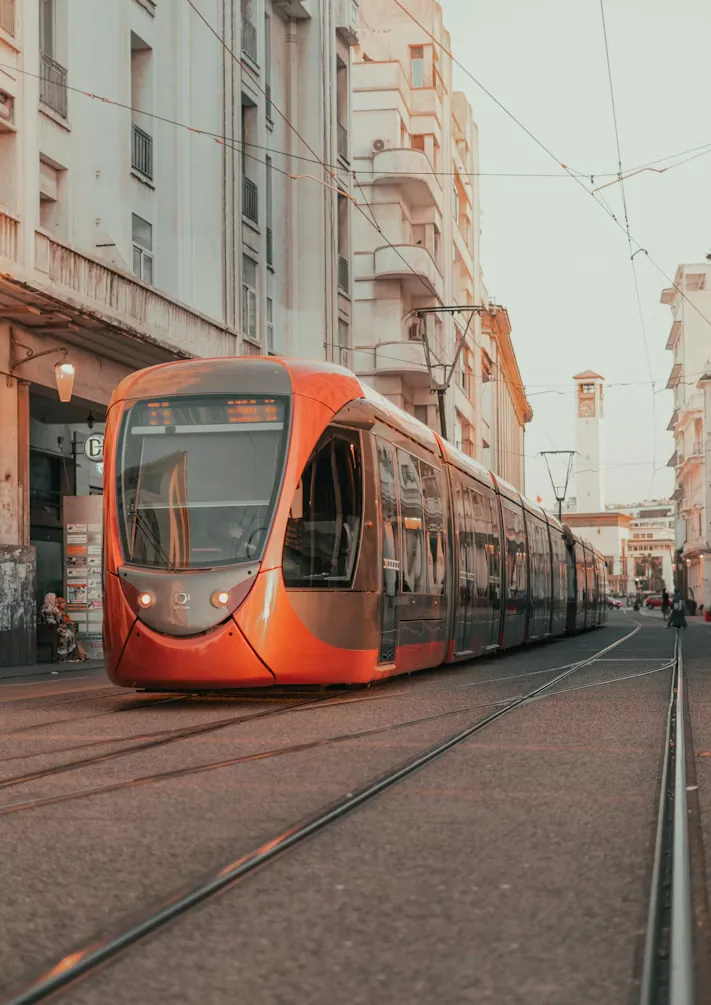
The tram is part of that rhythm too. Instead of treating transit as a problem, use it as part of the experience. It is often the most elegant way to move between central stops without adding friction to the day.
Should you use the tram, taxis, or a rental car in Casablanca?
If your goal is only central Casablanca and the main visitor areas, tram plus taxis is often easier than driving. The city can be busy, parking is not always pleasant, and short urban hops do not always reward having a car immediately.
A rental car becomes much more useful when Casablanca is the beginning of a wider Morocco trip. If you are continuing toward Rabat, El Jadida, or Marrakech, that is where your own vehicle starts to make more sense.
Quick transport cost guide
This is the easiest way to compare the main options without breaking the rhythm of the article. The tram fares below were checked against the official operator, while taxi pricing remains meter-based and route-dependent.
| Option | Typical cost | Best for | When it makes sense |
|---|---|---|---|
| Tram, 1 rideMain central lines | 8 dh | Simple downtown hops | Best value if your day stays close to the main visitor axis. |
| Tram, 2 ridesBack-and-forth movements | 14 dh | Short day itineraries | Useful if you know you will take at least two central trips. |
| Rechargeable tram cardCard plus lower ride price | 15 dh card + 6 dh per ride | Several rides in one day | Worth it once the day starts to involve repeated tram hops. |
| Petit taxiMetered city movement | Varies by route | Door-to-door convenience | Best when you are tired, short on time, or heading off the tram line. Ask for the meter. |
| Compact rental carPeugeot 208 or Fiat 500 level | From 35€ / day | Casablanca plus another city | More useful once the trip continues beyond the center. |
| SUV rental carDacia Duster Automatic level | From 60€ / day | Families, luggage, wider routes | Strong option when Casablanca is only the first stop in a road trip. |
Tram fares checked against Casatramway on June 21, 2026. Fleet prices checked on the live CarsRental site on June 21, 2026. Taxi pricing is meter-based and can vary by traffic, pickup point, and route.
Recommended cars
Three smart picks if Casablanca turns into a wider Morocco trip
If you are only doing the center for a day, tram and taxis still win. But if Casablanca is the first stop before the coast, Rabat, or Marrakech, these are the kinds of cars that make the next part of the trip much easier.
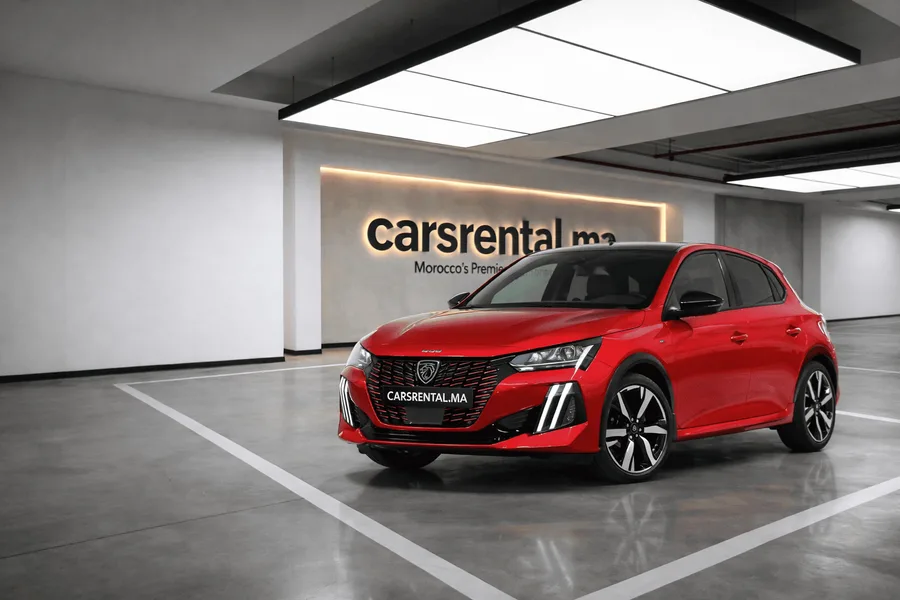
Compact · City and short road trips
Peugeot 208
5 seats · Diesel · 3 suitcases
A very clean Casablanca choice if you want easy parking, low fuel use, and a car that still feels good once the trip extends beyond the city.
35€from / day
View car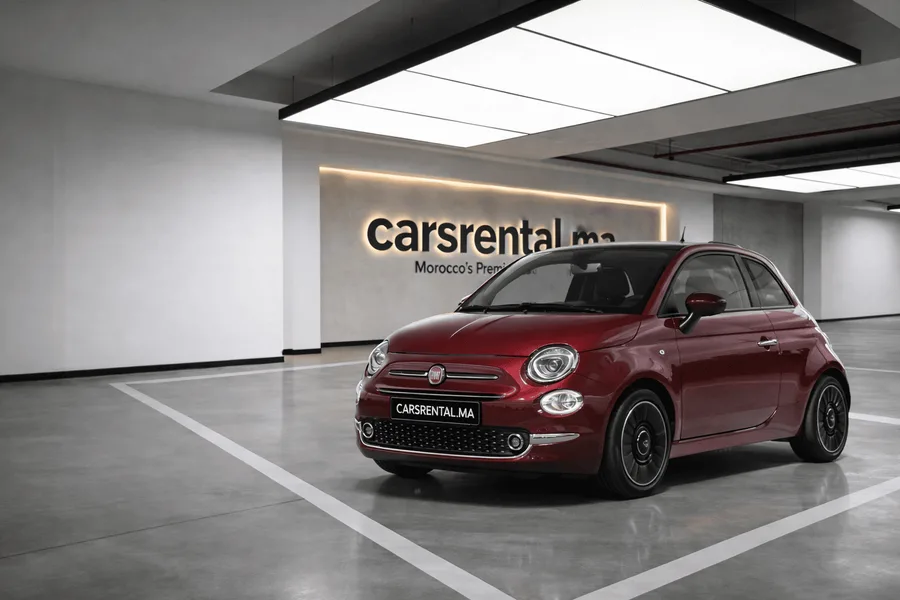
Mini · Tight streets and easy parking
Fiat 500
4 seats · Automatic · 2 suitcases
Best for couples or light travelers who want something stylish, compact, and stress-free in the dense parts of the city.
35€from / day
View car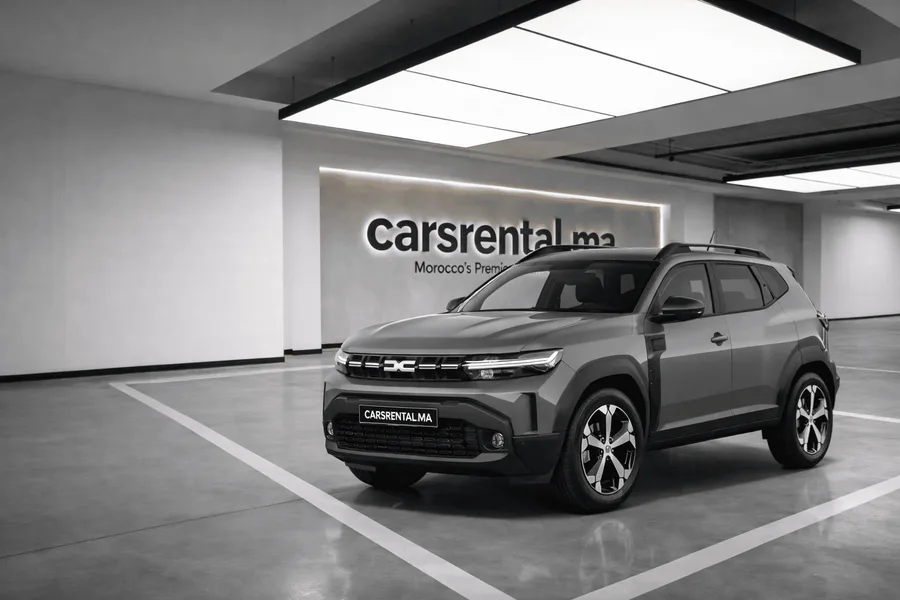
SUV · Family luggage and longer routes
Dacia Duster Automatic
5 seats · Automatic · 3 suitcases
The better fit when Casablanca is only your starting point and you want more comfort, luggage room, and confidence on longer mixed routes.
60€from / day
View carFleet prices and availability cues were checked on the live CarsRental fleet pages on June 21, 2026. Final booking totals can vary by date, insurance tier, and add-ons.
Common mistakes first-time visitors make in Casablanca
- Expecting a second Marrakech instead of reading Casablanca on its own terms.
- Treating Hassan II Mosque as the whole city instead of the anchor.
- Skipping downtown too quickly.
- Ignoring Central Market and losing one of the city's best sensory stops.
- Renting a car too early for a center-only day.
Final take
Casablanca is not Morocco's easiest city to love on first contact, but it is one of the easiest to underestimate. Give it a smart route instead of a vague wander and it opens up: a world-class mosque, real architectural character, market energy, practical transit, and neighborhoods that show different versions of the city's identity.
FAQ
These stay collapsed by default so readers can get the answer they need without the section turning into a long block.
Is Casablanca worth visiting for one day?
Yes. One smart day is enough for Hassan II Mosque, central Casablanca, Central Market, and either Habous or the Old Medina.
Can non-Muslims visit Hassan II Mosque?
Yes. Guided visits are available, and the official mosque site publishes the current seasonal schedule and pricing.
How much time should I give Hassan II Mosque?
Give it more than a quick photo stop. Between arrival, tickets, security, the visit itself, and some time outside, it deserves a proper part of your morning.
Is Casablanca walkable for first-time visitors?
Partly. Downtown, Mohammed V Square, Central Market, and some nearby stretches work well on foot, but the city is large enough that most visitors mix walking with tram or taxis.
Is the tram easy for tourists?
Yes, especially for short central movements. It is one of the simplest ways to connect the main downtown stops without dealing with traffic or parking.
Should I choose Habous Quarter or the Old Medina?
Choose Habous for a cleaner, calmer, more legible stop. Choose the Old Medina if you want messier street life and a more everyday urban texture.
Is Central Market worth it if I am not shopping?
Yes. It works as a lunch stop, a visual reset, and one of the easiest places to feel the city's local rhythm without forcing a long detour.
Should I use taxis or the tram in central Casablanca?
Use the tram when your stops sit neatly on the main line. Use taxis when time matters more, when you are tired, or when the route becomes awkward on foot.
Do I need cash for a day in Casablanca?
It is a good idea to carry some. Small purchases, quick stops, and everyday transit moments often feel easier when you have cash ready.
Should I rent a car in Casablanca?
For a center-only day, tram and taxis are usually easier. For a wider Morocco road trip, a rental car becomes much more useful once you leave the city.
Read more
Latest stories from the road
These are the newest live articles currently sitting on your news page, so the footer block stays aligned with what readers will actually find next.

How To Rent A Car In Morocco With No Deposit (2026)
How no-deposit rental works in Morocco, what the insurance tiers actually change, and which cars qualify.
Read story
Things To Do In Marrakech - A 2026 Driver's Guide
Traveler-type planning, parking logic, day trips, and the small local rules that make Marrakech easier.
Read story
Driving In Morocco - A 2026 Traveler's Guide
Insurance, police checkpoints, fuel, road habits, and what surprises foreign drivers most.
Read story
Renting A Car In Morocco With Family: Kids, Luggage, And The Right SUV
How to pick the right family rental, think about luggage honestly, and avoid the wrong-size car.
Read story